

Marinara sauce
The marvelously versatile Marinara sauce!
You can use it in a large portion of my recipes- the lasagna, chili, different pastas, lentil and tomato soup, curry etc.
When tomato season is coming to its end- there usually are those last not so pretty tomatoes left over. This Marinara sauce is where you can use those and be super practical. Make a huge batch and freeze the sauce in zip lock bags to be used for any recipe any time. Maybe for Christmas for a special meal? Or maybe for your kids that come home from school super hungry and can get something healthy made very quickly? This is perfect for those who are busy and want a healthy and wholesome meal.
1 kg fresh tomatoes, blanched, cut in large chunks (in winter time you can use canned tomatoes)
2 onions, peeled, chopped
4 garlic cloves, pushed through garlic press
Handful of basil leaves, torn
2 tsp oregano
Salt, pepper and sugar to taste
4 tbsp oil for cooking
Option:
Chili, few tbsp tomato paste or sauce
1. Blanch the tomatoes, pouring over boiling hot water and then after 30 sec cold water. Peel off the skin and cut in large chunks.
2. Peel the onion and chop finely, peel the garlic too.
3. In a deep, large frying pan pour the oil and sautée the onions on low heat until translucent.
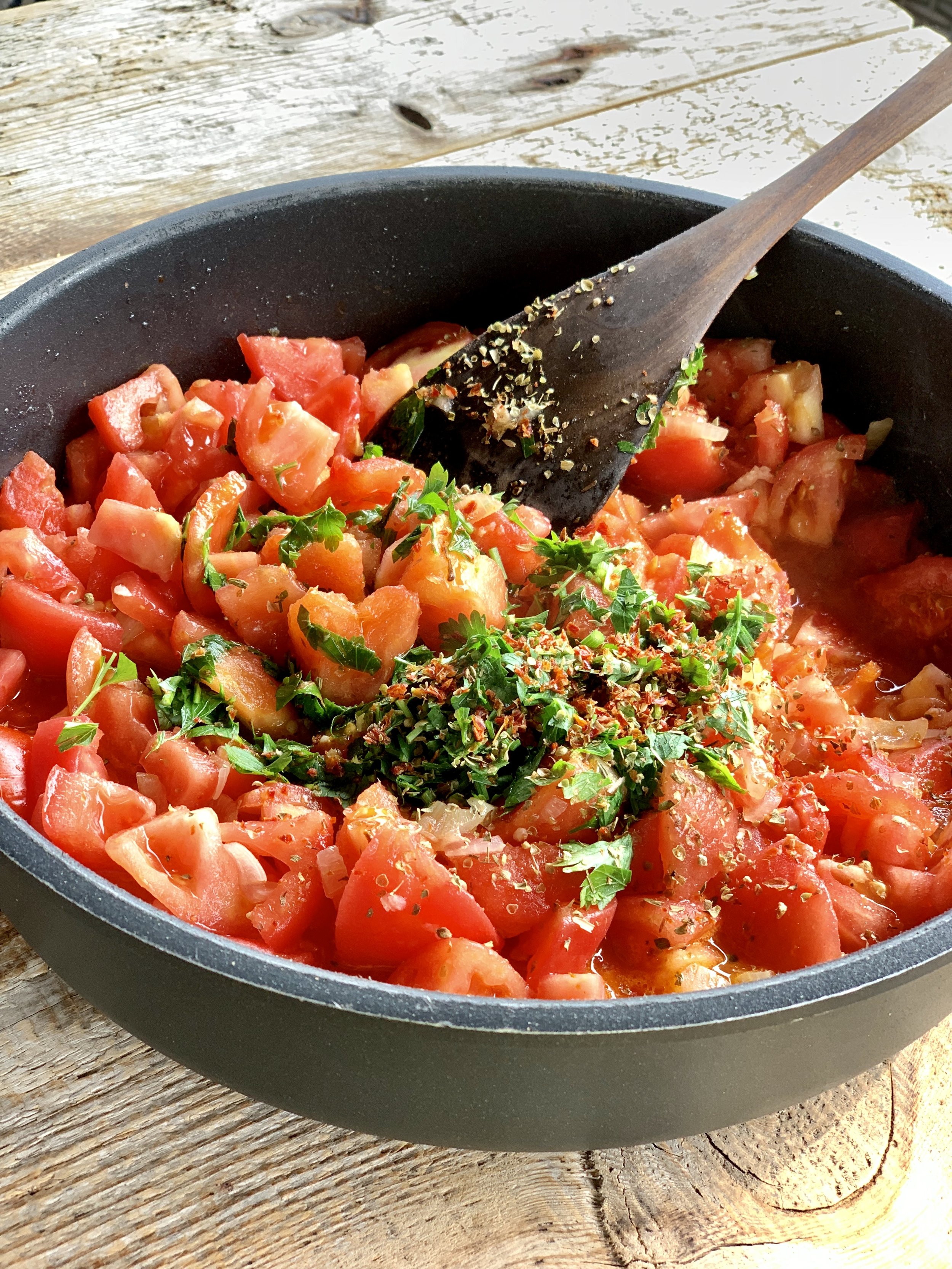
4. Press the garlic in the pan and once that gets fragrant, add the tomatoes, basil, oregano and chili.
5. Stir everything and let it reduce for about 20-30 min.
6. Taste and add salt, pepper and sugar. If desired- this is when you add tomato paste or sauce. Cokk a bit longer and remove from heat, set aside to cool.
7. Can be served along with any pasta. Just reheat the sauce in a large pan and then add the boiled pasta, stir and sprinkle with grated Parmesan or Cheddar cheese.
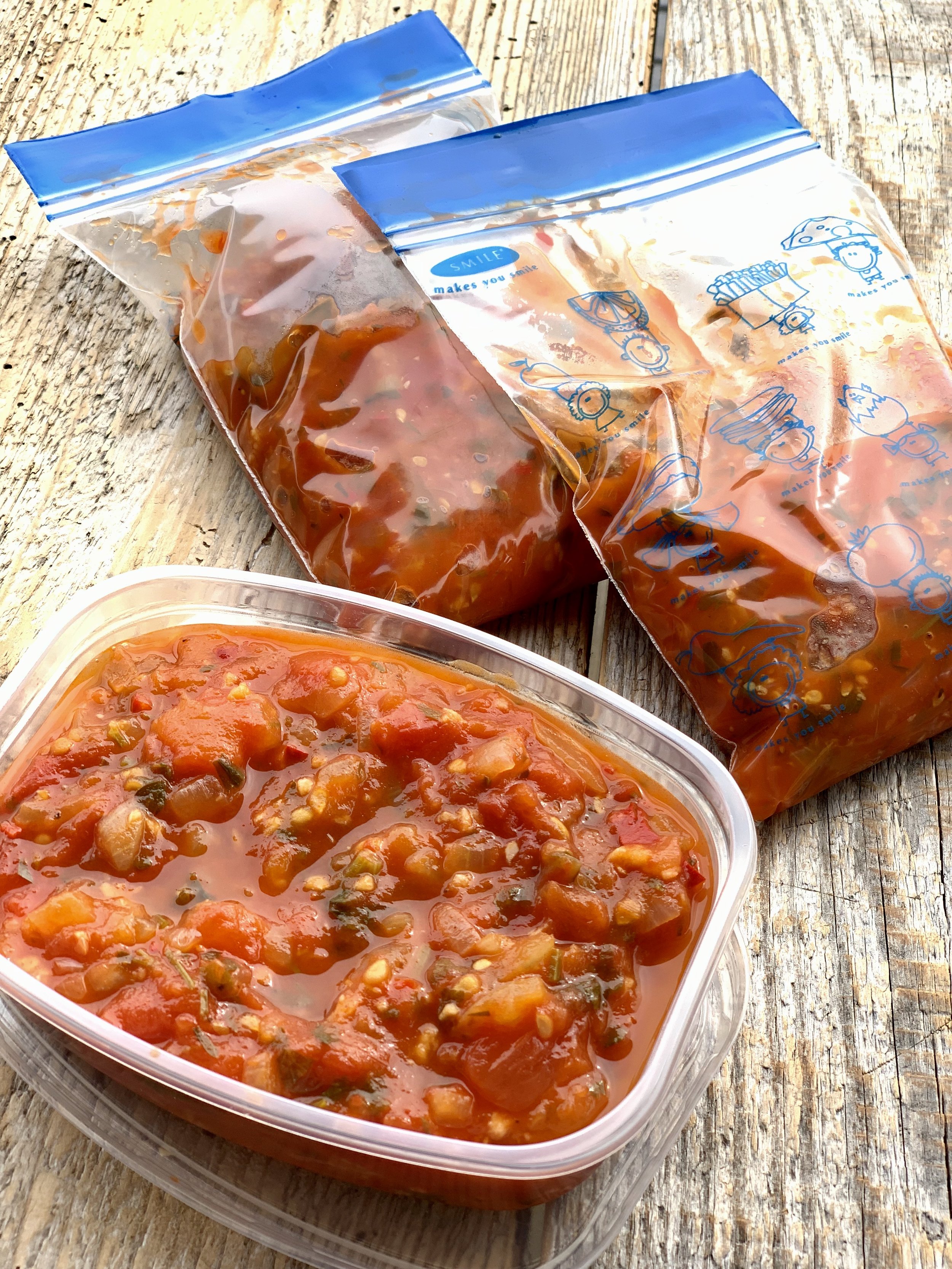
8. Use the sauce immediately or put it in zip lock bags and in the freezer to use later.
Recipe: Ārija Avota
Photo: Ārija Avota

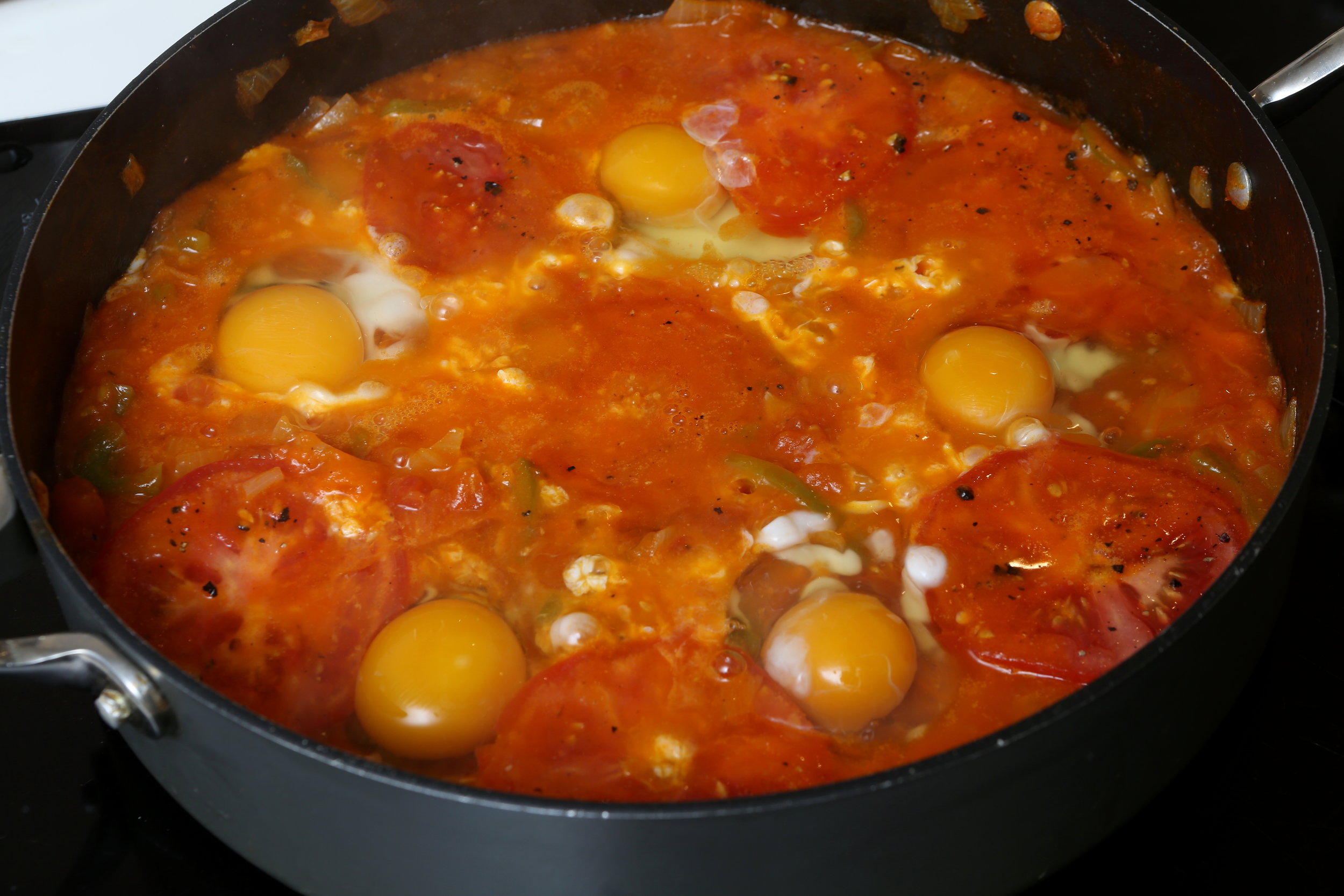
Shakshuka
This is a fantastic option for breakfast in tomato season! Shakshuka is a way of cooking eggs, traveled all the way from the Middle East. This dish plays with all the amazing flavors of tomato and paprika contrasting with the mild taste of eggs and topped off with the spices. This is a fresh and healthy breakfast to enjoy with the whole family.
1 large onion, chopped
2 sweet paprika, cut in straws
6 medium tomatoes, blanched, diced
2 medium tomatoes, blanched, sliced
1 chili, chopped
3 garlic cloves, peeled, pushed through garlic press
2 tsp ground cumin
2 tsp sweet paprika powder
Salt, pepper, sugar to taste
Handful of greens- parsley or coriander, chopped
6 eggs, room temp
Olive oil for cooking
1. In a large frying pan with a lid, heat the oil and cook the onion and chili until fragrant and translucent.
2. Add paprika and cook for a few more minutes.
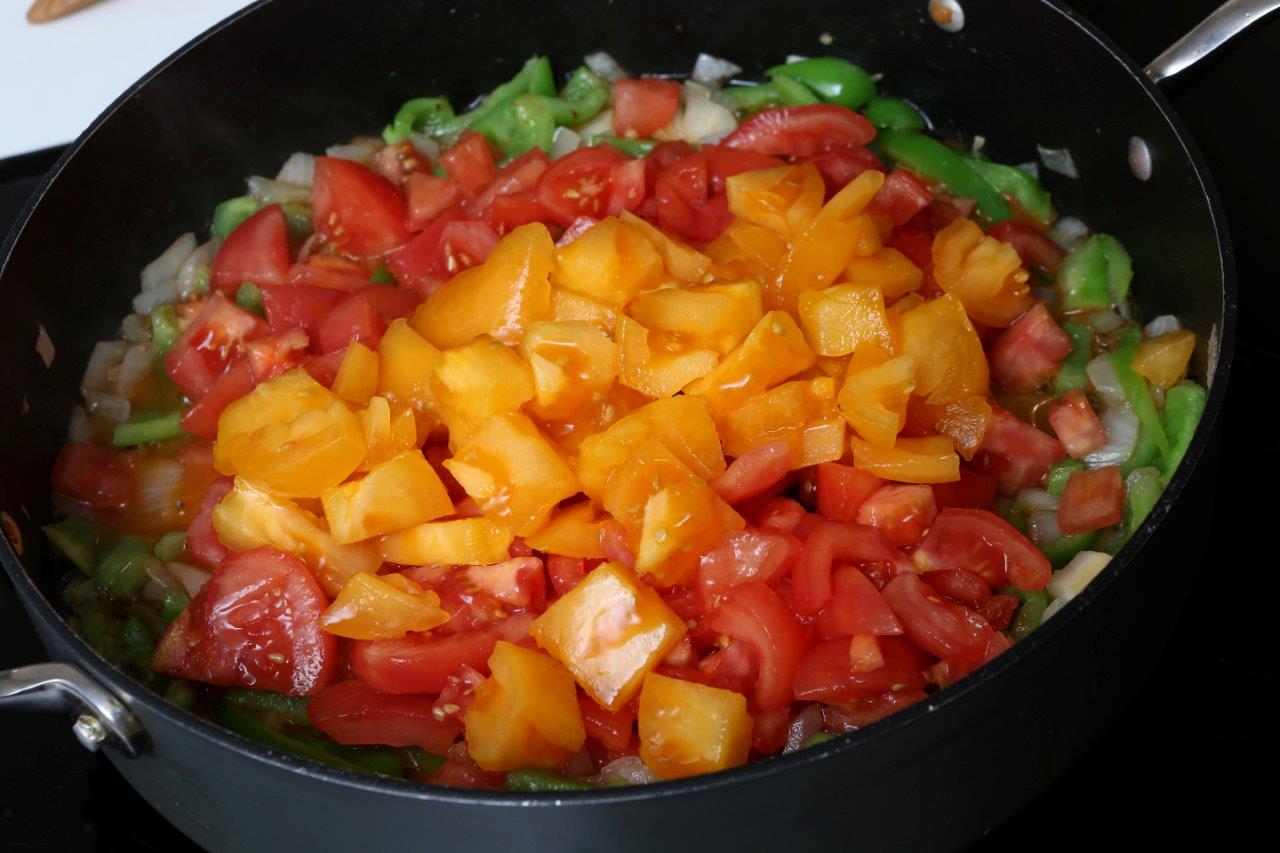
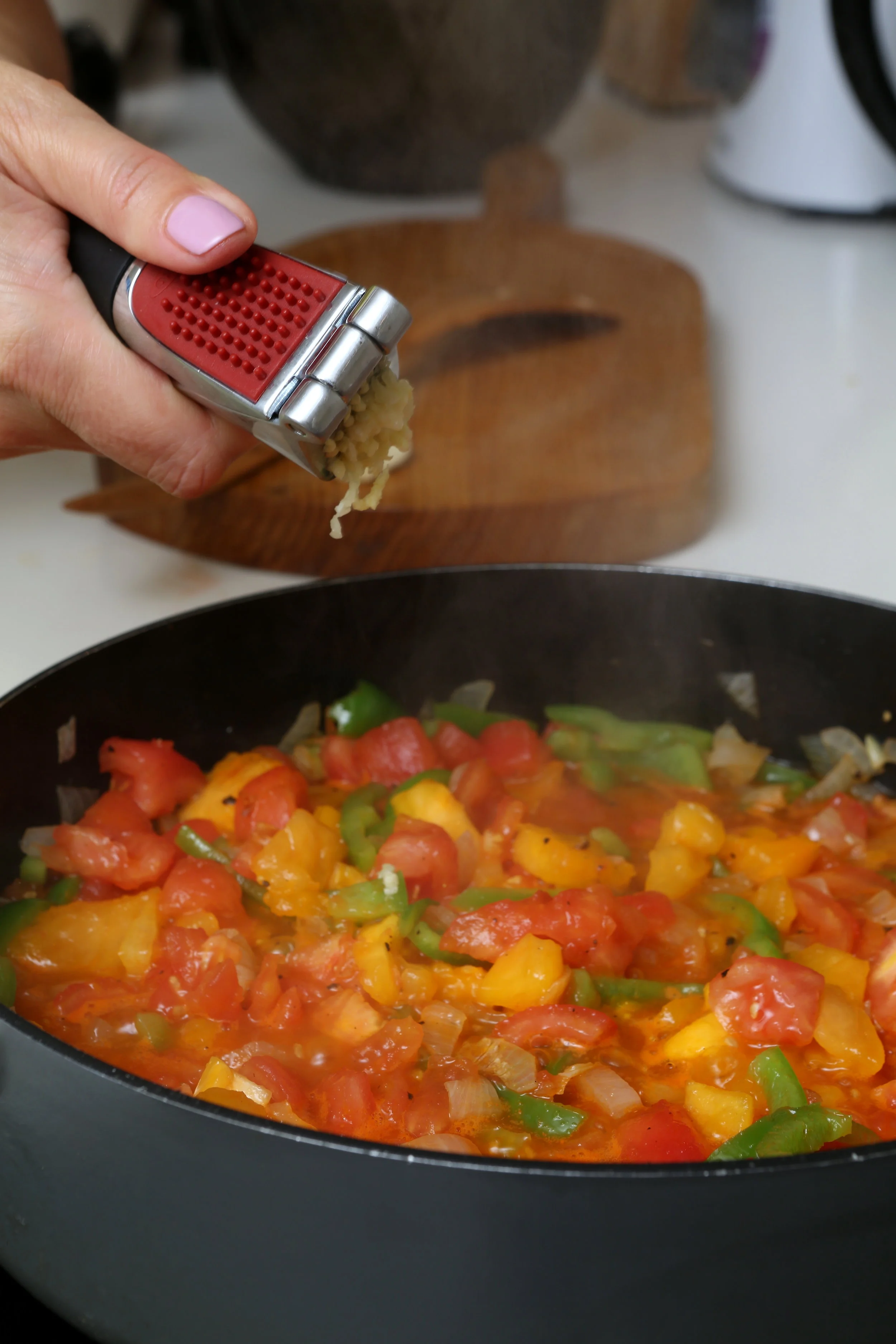
3. Then add the spices, tomatoes, greens, pressed garlic and stir. Place lid on the pan, lower the heat and sautée for about 10 min until veggies become soft but not mushy.
4. Taste and add salt, pepper and a tsp of sugar. Evenly cover everything in the pan with the tomato slices and sprinkle salt and pepper again. Put the lid back on and sautée for 2-3 more min.
5. Create 6 holes in the cooked veggies around the whole pan and crack an egg in each hole, add salt and put the lid back on.
6. Sautée for 3 min until the egg whites are firm, but the yolks are still soft and a bit runny. Remove from heat immediately.
7. Serve with greens on top and with a slice of fresh bread.
Recipe: Ārija Avota
Photo: Ieva Andersone


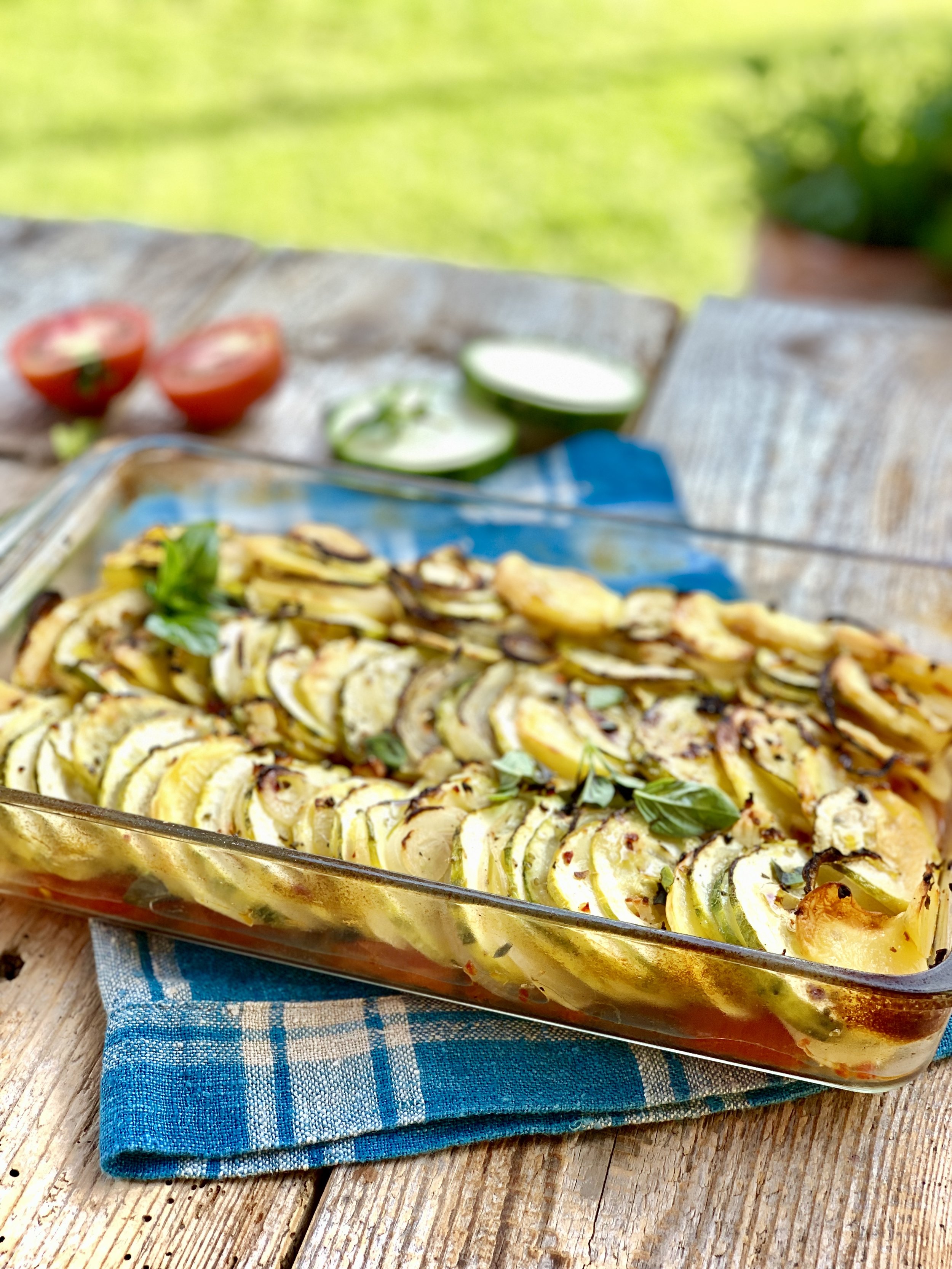
Squash gratin
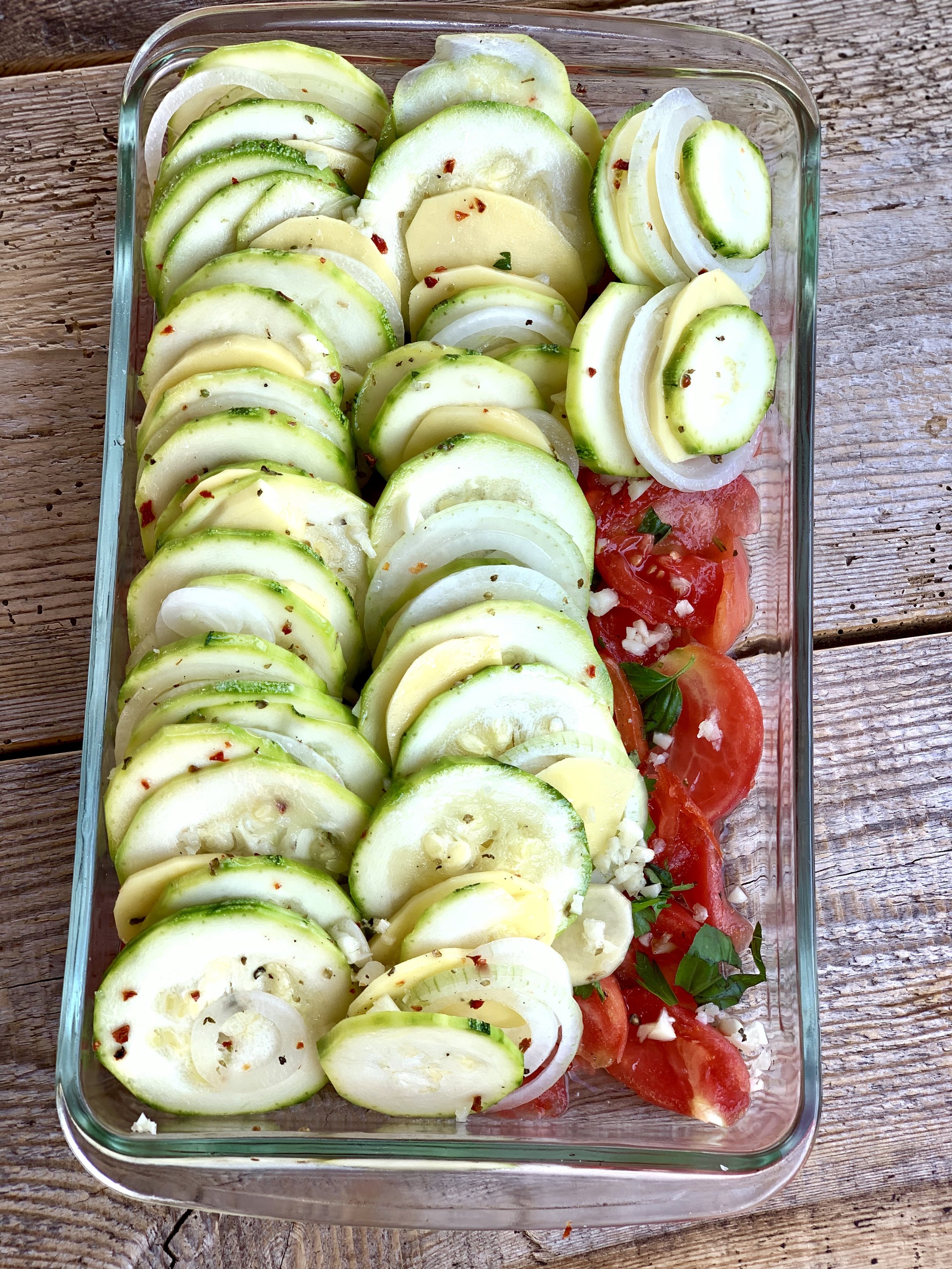
I have come to this recipe gradually through trial and error and can finally say I am happy with my squash gratin. I put finely sliced tomatoes (can use canned tomatoes too) on the bottom of the pan and then the potatoes and squash go on top. It is key to cut the potatoes and squash in very fine slices so that they cook better, can soak up all the flavors and hold together stronger.
Squash gratin pairs well with fish and meat dishes, but can also be a vegetarian main coarse when necessary.
1 small squash, cut in fine slices, 1-2mm
4 medium potatoes, peeled, sliced in fine slices, 1-2mm
1 large onion, cut in fine slices
4 medium tomatoes, cut in fine slices
Handful of greens- parsley, basil, thyme or rosmary
2 garlic cloves, finely chopped or pushed through garlic press
1 tsp oregano
4 tbsp olive oil
Salt, pepper, sugar to taste
1. Peel and slice the vegetables.
2. Heat the oven to 200 degrees (celsius) preferably on the fan setting (convection).
3. On the bottom of a 20x30 cm baking pan evenly spread out the tomatoes, sprinkle with chopped greens and salt, pepper, sugar.
3. Place the sliced squash, potatoes and onions in a bowl and mix with the spices, garlic, salt and pepper, olive oil.
4. Assemble the gratin- alternately place the potatoes, squash and onion slices on top of the tomatoes, press down gently in the end.
5. Place in the oven (not necessary to cover the pan) and bake for 20-30 min.
6. Let it rest when done and then serve.
Recipe: Ārija Avota
Photo: Ārija Avota

Tomato lentil soup
It took a while to get to this recipe that I find very delicious and that I want to keep making again and again. And most importantly- the whole family loves it too!
Another thing- this soup is very healthy, filling and creamy in taste. You can make it very quickly and it has room for variation in the added spices, diversifying it every time you make it- one night you are in Italy and the next in India or even Mexico.
800 g tomatoes blanched, peeled, diced (can use canned or fresh)
150 g red or green lentils, soaked in water 20-30 min
1 medium carrot, cut in thin slices
1 medium onion, chopped
2 garlic cloves, finely chopped
1 tsp curry
1 tsp ground cumin
½ tsp oregano
1 tbsp tomato paste
800 ml vegetable broth + water if necessary
2 tbsp olive oil for cooking
Salt, pepper and sugar to taste
Optional: 2 handfuls of spinach or kale
1. Soak the lentils in water and in the meantime chop the onion and cut the carrot.
2. In a large pot heat the olive oil and on small heat sautée the onion until transparent, 5-7 min.
3. Add carrots, stir and on medium heat cook for 3 more minutes.
4. Add all the spices, garlic and once the garlic starts to become very fragrant, add the tomato paste and cook for a minute.
5. Stir in the diced tomatoes.
6. Add a tbsp of sugar.
7. Add the lentils and broth, put on the lid and on medium heat simmer for 20-25 min until the lentils get soft but don’t become mushy.
8. Put ¼ of the soup in a blender and blend completely smooth, then add back to the pot.
9. Stir, taste, add salt and pepper. If desired, add a dash of lime or lemon juice to bring out the flavors.
10. Now add the spinach or kale, if you have chosen to.
11. Let the soup rest for 15 min before serving.
Recipe: Ārija Avota
Photo: onemilk

Creamy chickpea curry
This amazing recipe has only recently come in my kitchen. However, the fact that I made it at least 3 times along the course of the last month means it is staying in my recipe book for good. And it seems very unbelievable that such a creamy and filling dish can actually be very healthy! You get energy for your brain and protein for your muscles.
In my personal opinion- it is healthy also because the great balance of the flavors in this curry means you may not even want to have dessert afterwards! For some, this vegetarian dish may even overthrow a meat dish from the TOP of most often used recipes.
300 g tomatoes, blanched, peeled and diced
300-400 g canned chickpeas, drained
2 tbsp tomato paste
1 tsp ginger root, finely chopped
1 handful of parsley, chopped
2 tsp curry, 3 if you want it stronger
1 medium onion, chopped
2 garlic cloves, finely chopped or pushed through garlic press
100+ ml coconut milk
The juice of 1 lime, to taste
Salt and pepper to taste
Olive oil for cooking
For the Basmati rice
1 cup of rice
2 cups water
1 tbsp olive oil
Salt to taste
For serving
Couple tbsp Greek yogurt
1 handful of parsley, chopped
Make the curry
1. Blanche the tomatoes, covering them with boiling hot water and keeping them in that water for 30 s. Drain the water and let cool, then peel and dice, set aside.
2. Chop the onion, garlic, parsley, ginger and set aside.
3. Heat the oil in a pan and on medium heat cook the onion until translucent.
4. Add the ginger, garlic, curry and cook a little, then add tomato paste and also let cook for a bit.
5. Add tomatoes and greens and keep cooking for 2 min. If the tomatoes aren’t juicy enough, add a bit of water to create a sauce.
6. Add the chickpeas and sautée for about 5 min.
7. Add salt and pepper, taste if that is enough to bring out the flavor and then pour in the coconut milk. Lower the heat to very low and sautée until the curry turns creamy, 2-3 min.
8. Taste the curry and squeeze in the lime juice as necessary.
Make the rice
9. Put the rice in a pot and add the water and oil, stir.
10. You can add the salt immediately or when the rice is done, your choice.
11. Put a lid over the pot and leave to simmer on medium heat. You need to check on the rice occasionally, because it may overflow when boiling.
12. Once it starts bubbling, lower the heat and sautée for 20 min without stirring.
13. Remove from heat and use a fork to fluff up the rice carefully.
14. If you need to keep the rice warm before serving, wrap the pot in a blanket.
15. Serve the curry with the rice and add Greek yogurt on top, along with the chopped greens.
Recipe: Ārija Avota
Photo: onemilk

Pear risotto with Gorgonzola cheese
This risotto has a very interesting and sophisticated taste combination- the sweet pear with the tangy Gorgonzola. It may seem weird, but this actually is an amazing marriage of flavors that comes together so fully you can even skip dessert. The recipe is very easy but the flavor is so good it will surprise even the most fancy guests. Everyone always asks me for this recipe after dinner parties so here I finally share the details.
200 g risotto rice
2 medium pears, ripe (e.g. conference)
150 g Gorgonzola cheese
1 medium onion, chopped
150 ml dry white wine
300 ml vegetable broth
Branch of thyme
1 tbsp olive oil
1 tbsp butter
1. Prepare the ingredients. Chop the onion, wash, peel and dice the pears. Make the broth. Open the wine.
2. In a large pan, heat the olive oil and butter and on low heat cook the onion until translucent. Add half the pear, thyme leaves and cook for 2-3 more minutes.
3. Add the rice and raise the heat to medium and cook the rice until fragrant and translucent.
4. Pour in the white wine and let the alcohol evaporate. Add 1/3 of the broth, lower the heat, add the rest of the pears and put the lid on the pan to let it sautée for 20 minutes until the rice is done. Gradually in 3-4 attempts add the rest of the broth and stir the risotto after every addition. Do not flood the risotto, only add more broth when the moisture has evaporated. The rice should be soft, but not mushy, the risotto should be creamy and moist.
5. When the rice is done, stir in the Gorgonzola cheese cut in 2x2 cm cubes, remove the pan from heat with the lid on and let it rest until cheese has melted (5-10 min).
Recipe: Ārija Avota
Photo: Ārija Avota
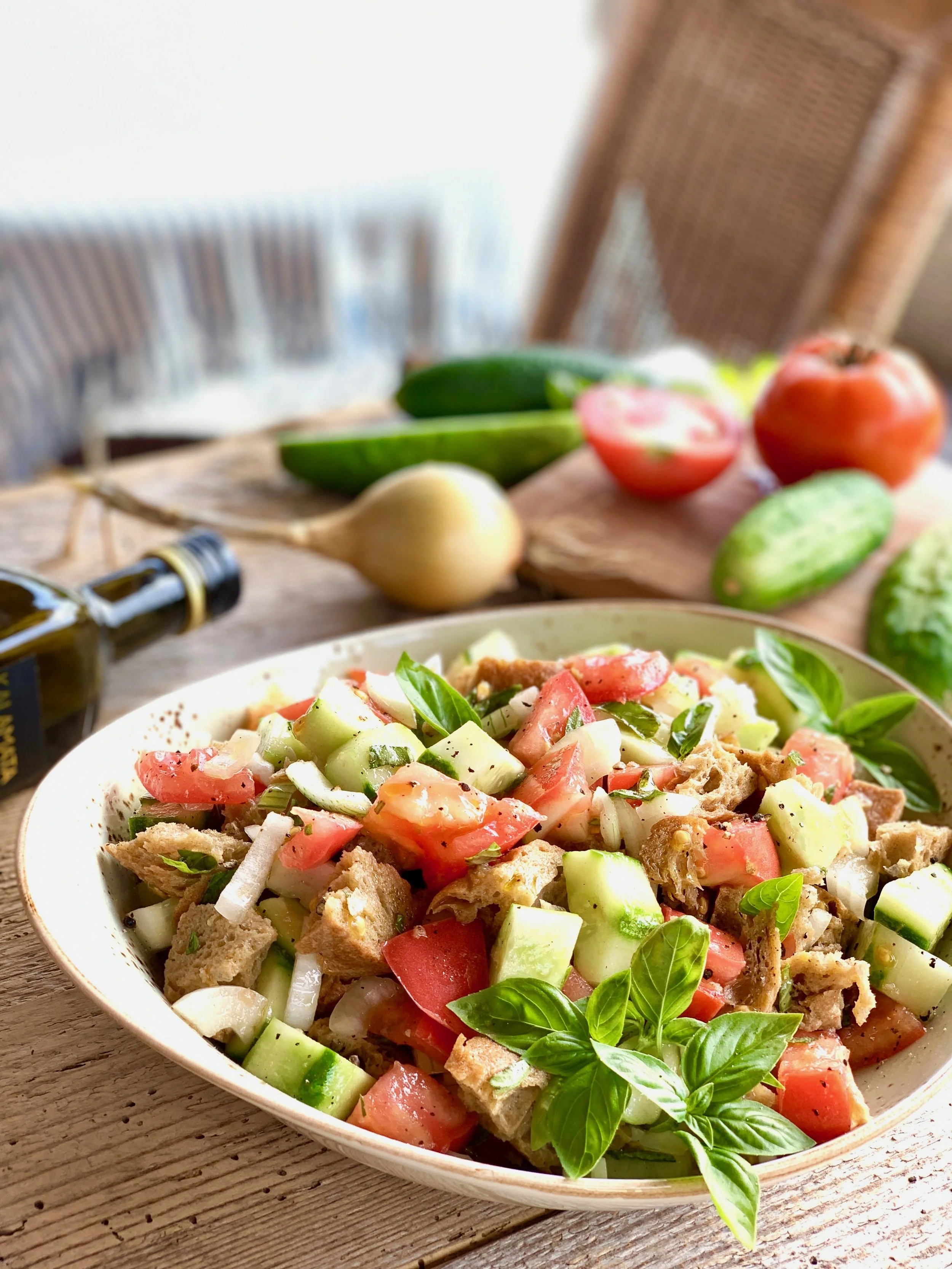
Bread salad
This salad is something to make when there are cucumbers and tomatoes in season. And if you have some stale bread left over (which is exactly what happened to me), then a great salad can be made!
On lazy evenings this could even be a contender to a light dinner recipe. It is very fresh and smells of basil, it can also be a little fancy if necessary (I mean pairing with white whine can make anything more fancy.😄
200 g stale bread, something like ciabatta
2 large tomatoes
4 small cucumbers
1 sweet onion
Handful of basil
2 tbsp white wine vinegar or Balsamic vinegar
4 tbsp Extra Virgin olive oil
Salt, pepper, brown sugar to taste
1. Cut the bread in 3-4 cm pieces, place in a deep bowl you will be serving the salad in.
2. Dice the tomatoes in 2-3 cm pieces. Peel the cucumbers, cut in half and chop in 2 cm pieces. Add everything to the bread in the bowl.
3. Cut the onion in half rings, add to salad.
4. Add torn basil leaves, salt, pepper and half a tsp brown sugar.
5. Drizzle with chosen vinegar and olive oil, mix together. Serve chilled.
Recipe: Ārija Avota
Photo: Oto Avots
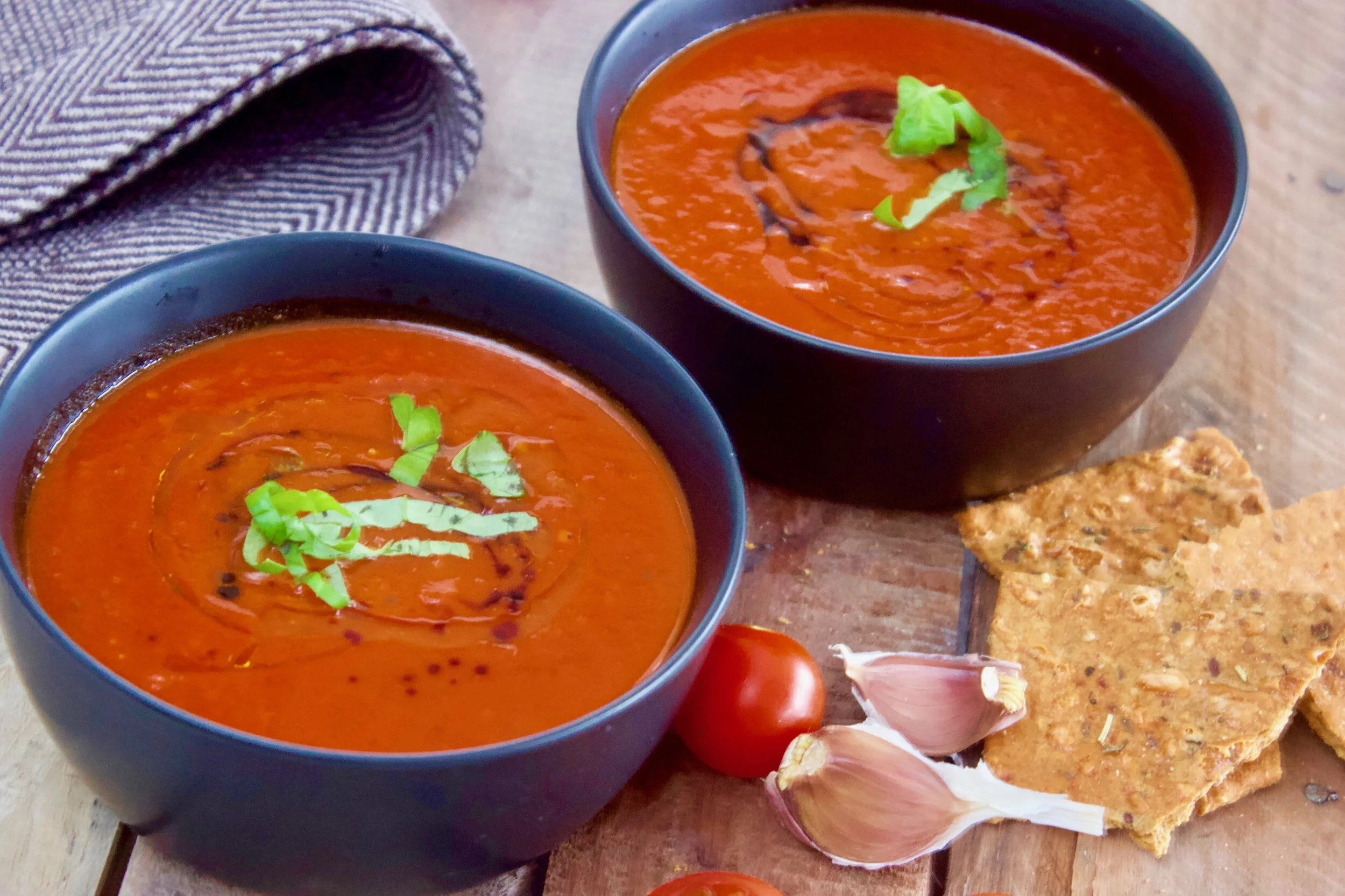
Tomato soup
We make this soup very often. When it is tomato season- I use fresh tomatoes, if it is off season, then canned tomatoes. And it tastes great in both versions.
I really enjoy the strong flavor of the tomato soup, so I rarely use the heavy cream. I use the saved calories to eat a chocolate fondant instead :)
When cooking this soup, the most important part is to balance the flavor- using brown sugar for sweetness, salt for saltiness and lime or balsamic vinegar for the sour.
800 g canned tomatoes, peeled
2 medium onions, chopped
2-3 large garlic cloves
½ chili with the seeds, chopped or ¼ tsp chili paste
2 tbsp tomato paste
2 tsp oregano
1 handful fresh basil
500 ml vegetable broth
Salt, pepper, sugar to taste
4 tbsp olive oil
2 limes for serving
Optional: add 100-150 ml heavy cream and bring soup to boil, creating a cream soup
1. In a large double bottom pot heat some olive oil and on low heat sautée the chopped onions. Stir occasionally and check to see if the onion is slowly turning translucent instead of cooking golden brown.
2. After about 10 min add the garlic, pushed through a garlic press, chopped chili (or paste) and oregano, and sautée a bit more. Then stir in tomato paste and cook.
3. In a separate bowl blend the canned tomatoes (or in a blender) with the fresh basil. Then pour in the pot.
4. Add the vegetable broth and bring the soup to a boil. Then lower the heat and slowly let the soup cook for 5-10 min. Add salt, pepper and sugar to taste.
5. If you want the soup to be smoother, use a hand blender to blend the soup right in the pot. This is when to add the heavy cream, if you choose to make a cream soup version.
6. Let the soup rest for 15 min.
7. Serve with a lime wedge and toasted bread or croutons.
! It is possible to drizzle a little olive oil, balsamico or pesto on the soup. You can add roasted seeds, crumbled blue cheese or even pieces of mozzarella.
Recipe: Ārija Avota
Photo: Ārija Avota
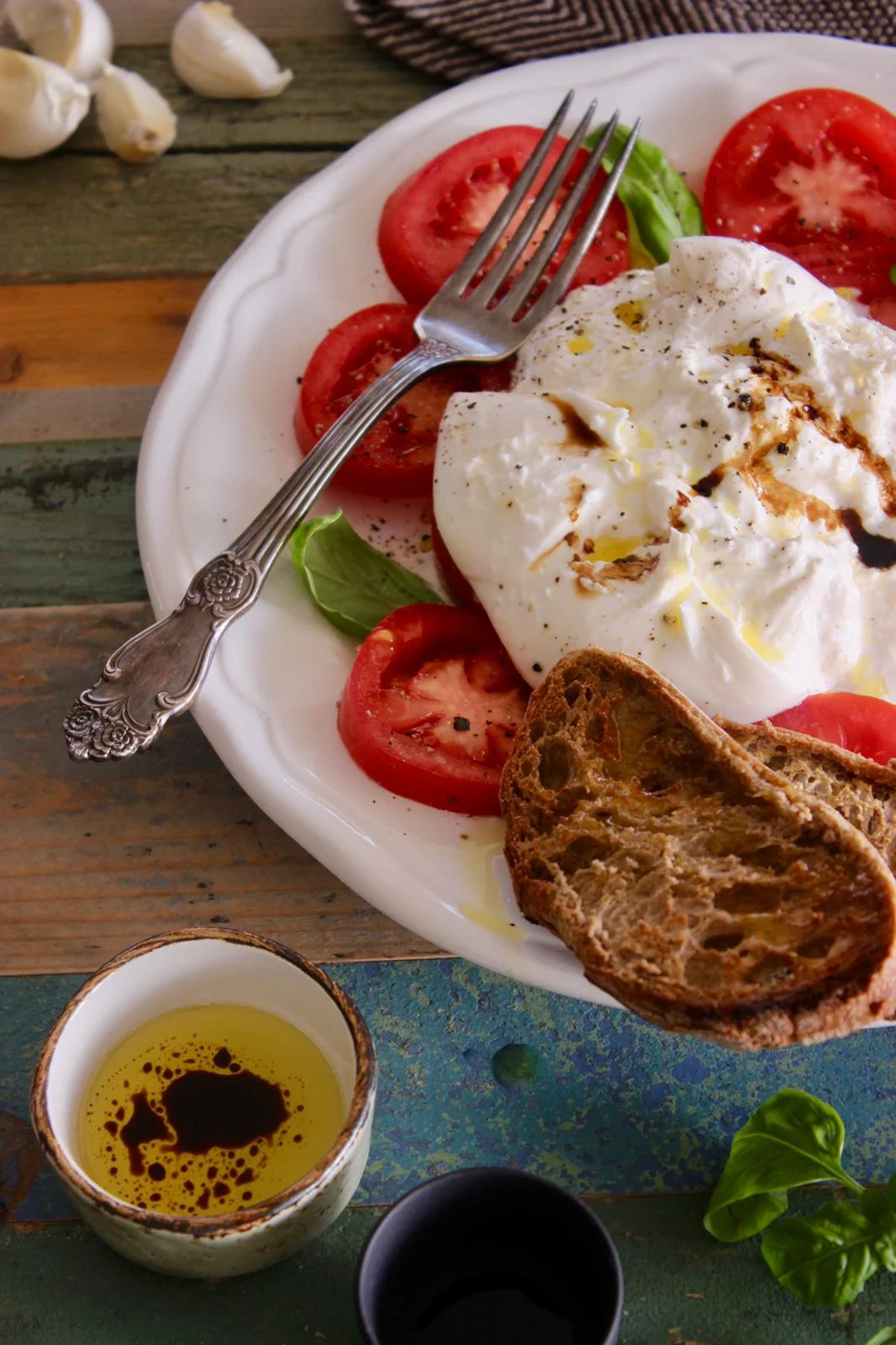
Burrata with tomatoes
1 package burrata cheese, drained
2 large, juicy tomatoes, cut into thick slices
1 tbsp extra virgin olive oil
1 tbsp balsamic vinegar cream
Handful of basil leaves, torn
Salt and pepper
1. On a large plate arrange the tomatoes around the sides. .
2. Put the burrata in the middle and tear it apart with a fork.
3. Sprinkle with the torn basil leaves.
4. Drizzle with olive oil and Balsamic vinegar cream.
5. Add salt and pepper to taste.
6. Serve with toasted bread.
Recipe: Ārija Avota
Photo: Ārija Avota

Bruschetta with porcini mushrooms
A Friday snack for two? Don’t feel like cooking? This recipe is more like meditation instead of intense cooking :)
In Latvia we have many forests full of different mushrooms every fall- most of us love going out to pick some wild mushrooms. But if you have the option to buy some fresh from the market- it is just as good. This recipe is very easy and also a nice snack to have along with the chilled Sauvignon Blanc left from the cooking process.
4 large slices of Italian bread
4 garlic cloves
Thyme, a few branches
4 small porcini mushrooms
50 ml dry white wine, like Sauvignon Blanc
2 tbsp olive oil for cooking
1 tsp butter for cooking
Parsley or sage, chopped
Salt and pepper to taste
A tbsp of Balsamic vinegar cream
1. Preheat the oven to 210 degrees (celsius).
2. Place a baking sheet on the ovens baking tray and arrange the bread slices on it. Add crushed garlic cloves and the thyme branches, drizzle olive oil on top and then just use your hands to mix it all together (so the bread is soaked in oil and all the seasoning).
3. Place the baking tray in the oven and bake until the bread turns slightly golden, do not burn.
4. Clean and wash the porcini mushrooms, pat them dry in a paper towel. Cut into thin slices 3-5 mm and chop the greens and spices.
5. Heat a frying pan on medium heat and add both the oil and butter- cook the mushrooms to quickly become golden, around 2 min, add salt, pepper and wine.
6. Lower the heat and sautée for a bit until the sauce starts to reduce about 5 min, then add the greens and spices.
7. Put the mushrooms on the toasted bread, add the baked garlic cloves on top too. Drizzle the Balsamic vinegar cream over everything.
8. Serve with cooled Sauvignon Blanc.
Recipe: Ārija Avota
Photo: Oto Avots

Crêpes
In Latvia, it seems that crêpes are one of the first things we learn to cook. And now the options of ingredients are so broad, we can adjust those basic recipes to our current flavor preferences.
One of my classic favorite variations is this: I replace part of the flour with wholegrain flour and add just a little melted butter.
The pancake dough can be prepared the day before and kept in the fridge overnight in an airtight container. In the morning you just add a bit more milk and stir everything before use.
For the dough
4 eggs
500 ml milk
250 g all purpose flour (1/3 can be replaced with healthier options- wholegrain, buckwheat, oat flours)
60 g butter, melted
1-2 tbsp sugar
Pinch of salt
Olive oil for cooking
For serving
Maple syrup or honey
Favorite jam
Cream cheese or greek yoghurt
Fresh seasonal berries or fruit
Tuna or caviar
1. Beat the eggs along with the sugar. Mix in 100 ml of milk.
2. Stir in sifted flour and salt. Be careful to not create lumps, keep a smooth consistency. Add the melted butter.
3. Pour in rest of the milk and mix well.
4. Leave it to set for at least an hour.
5. When ready to cook, heat the frying pan to medium heat and pour some olive oil to grease.
6. Using a ladle, pour the dough evenly on the heated pan as thin as possible. Cook one side until golden and flip with a spatula. Grease the pan after every crêpe.
Serve with favorite condiments
Recipe: Ārija Avota
Photo: Ārija Avota


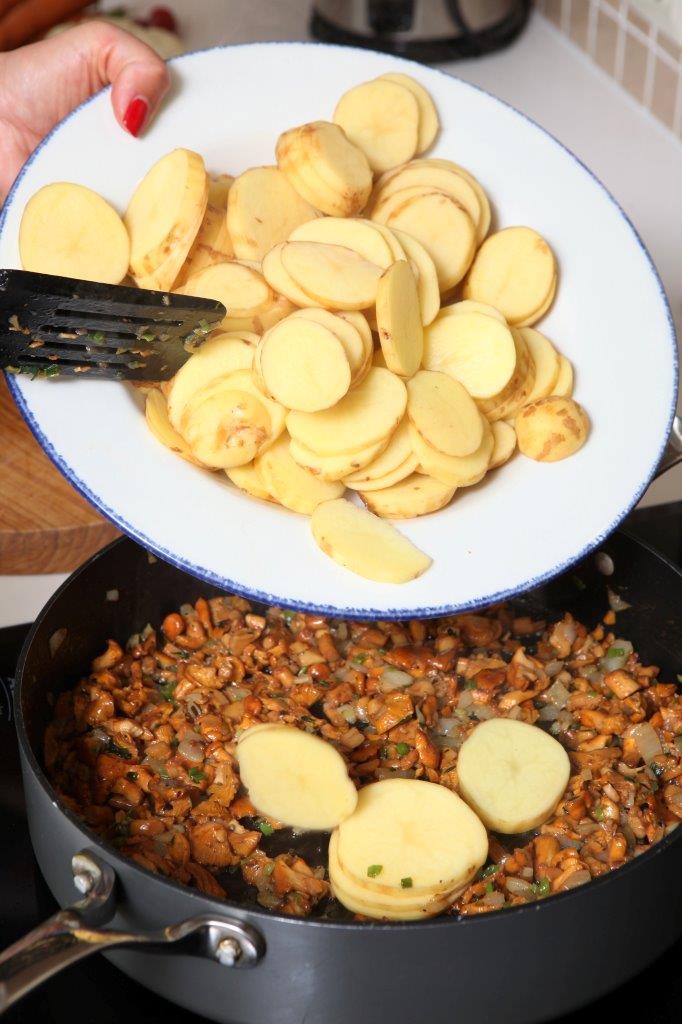
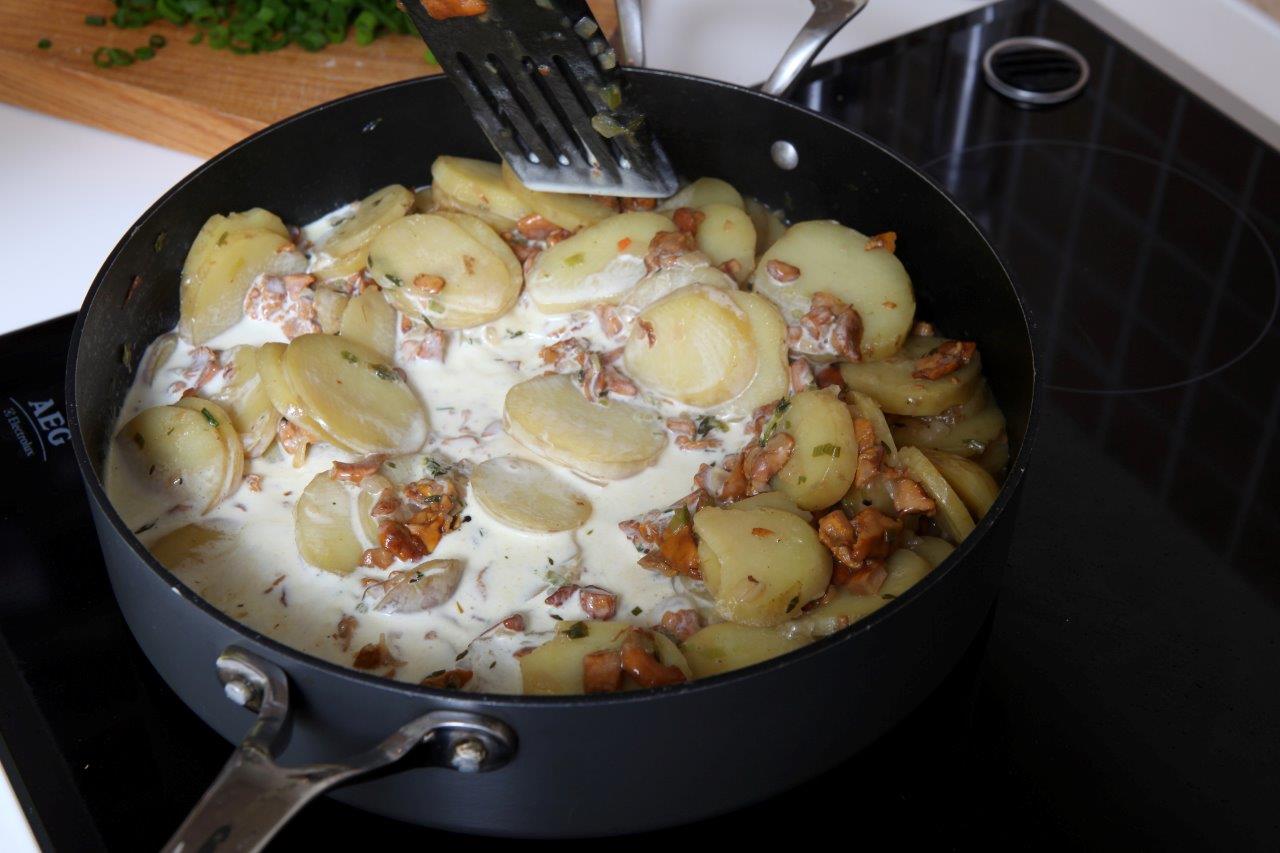
Chanterelles with new potatoes in aromatic sauce
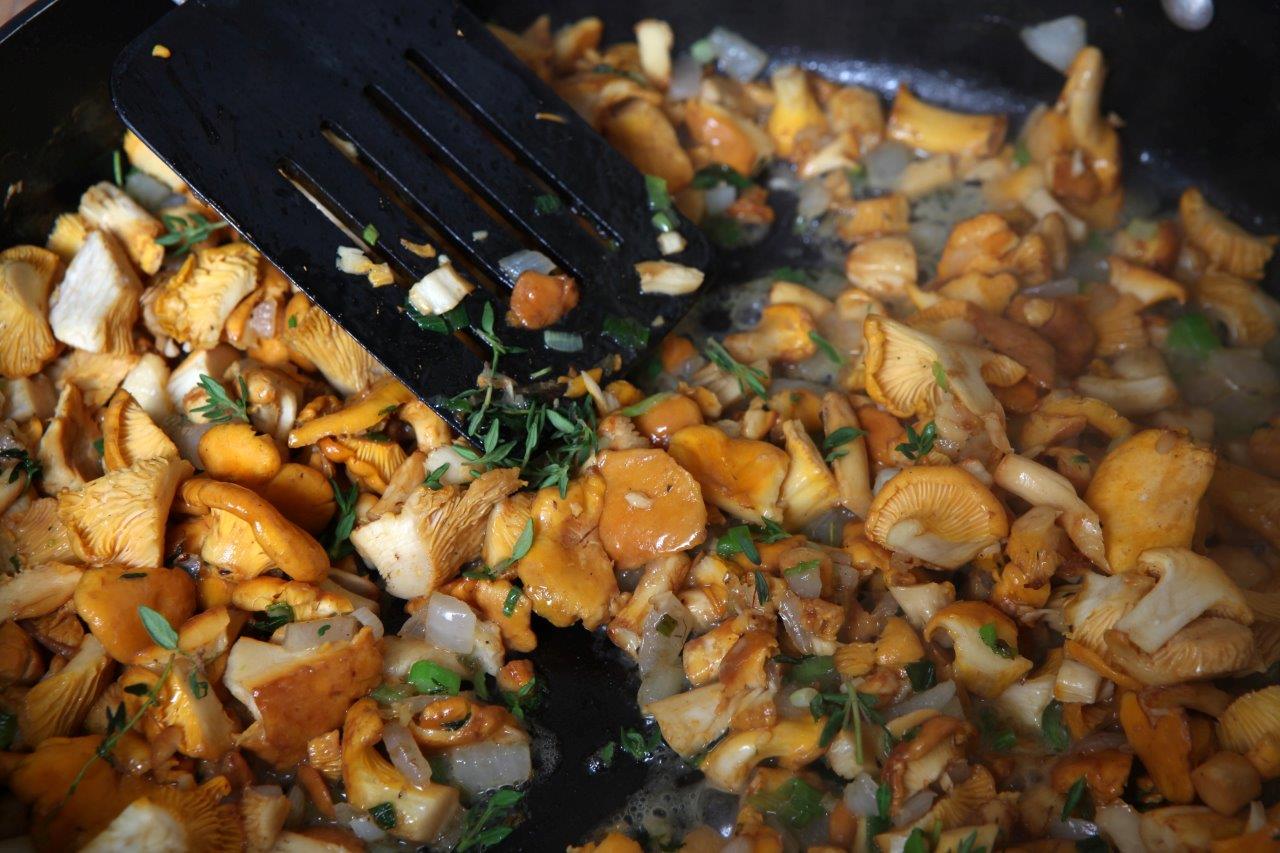
The mushrooms still have a little crunch to them, the potatoes have soaked up all the flavors of the greens and sauce and that amazing fragrance this dish leaves in the house!
Even if you don’t get a hold of a lot of chanterelles to use, you can still make a great dish with this recipe. This is my moms recipe- she created it for times when mushrooms weren’t that easily available, but you needed to feed the whole family.
The technique used is actually very similar to that of making a risotto (my mom definitely didn’t know about risotto back then), but instead of rice this uses new potatoes, genius!
400-500 g chanterelles
6 medium new potatoes
1 large onion
250 g heavy cream
300-500 ml vegetable broth
2-3 tbsp butter for cooking
2 tbsp olive oil for cooking
Greens- scallions, dill, thyme
Salt and pepper to taste
1. Clean and wash the chanterelles, pat them dry with a paper towel and cut into medium pieces.
2. Wash the new potatoes and scrub them with a brush to clean off the skin. Cut in thin slices 1-2 mm.
3. Chop the onions and greens, make the broth (if using cubes).
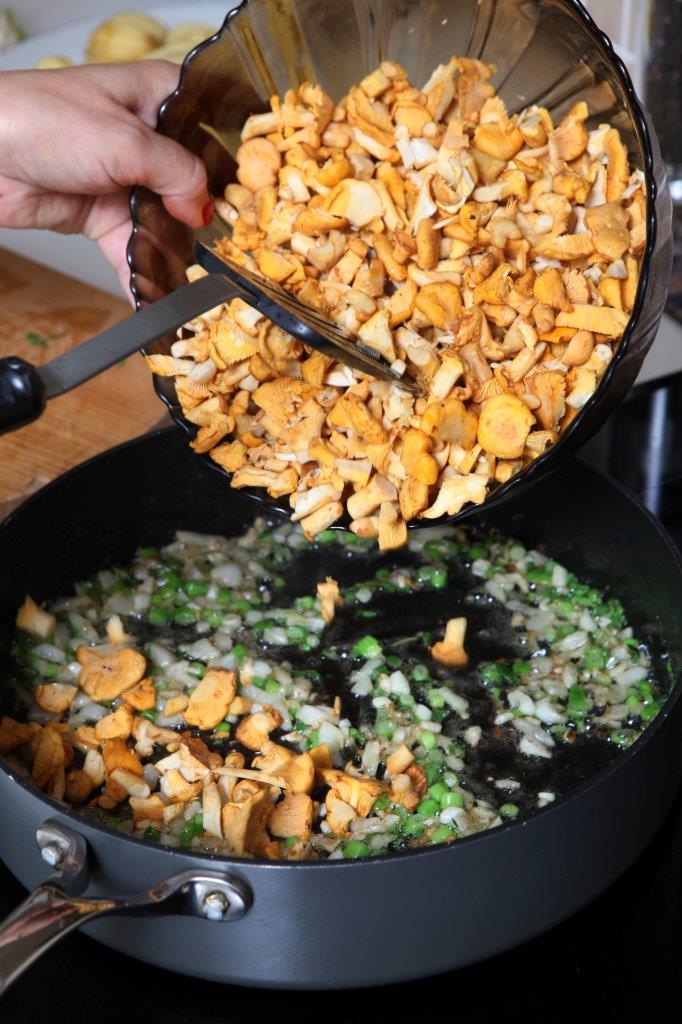
4. Heat a deep frying pan with a lid on medium heat and cook the onions in both the butter and olive oil, add the thyme too.
5. Then cook the chanterelles until golden brown, add salt.
6. Add the new potato slices and fry for a few minutes.
7. Now pour in half of the broth and stir everything, put the lid on and lower the heat. Keep cooking while stirring every once in a while, adding more broth when necessary until the potatoes are almost ready (and not yet mushy).
8. Now add the heavy cream, stir again, taste and add salt and pepper if necessary and let it simmer for a few minutes until potatoes are completely done.
9. Sprinkle with greens and serve.
Recipe: Ārija Avota
Photo: Ieva Andersone (IG @photoievaandersone)

Vegetable stew with cheese
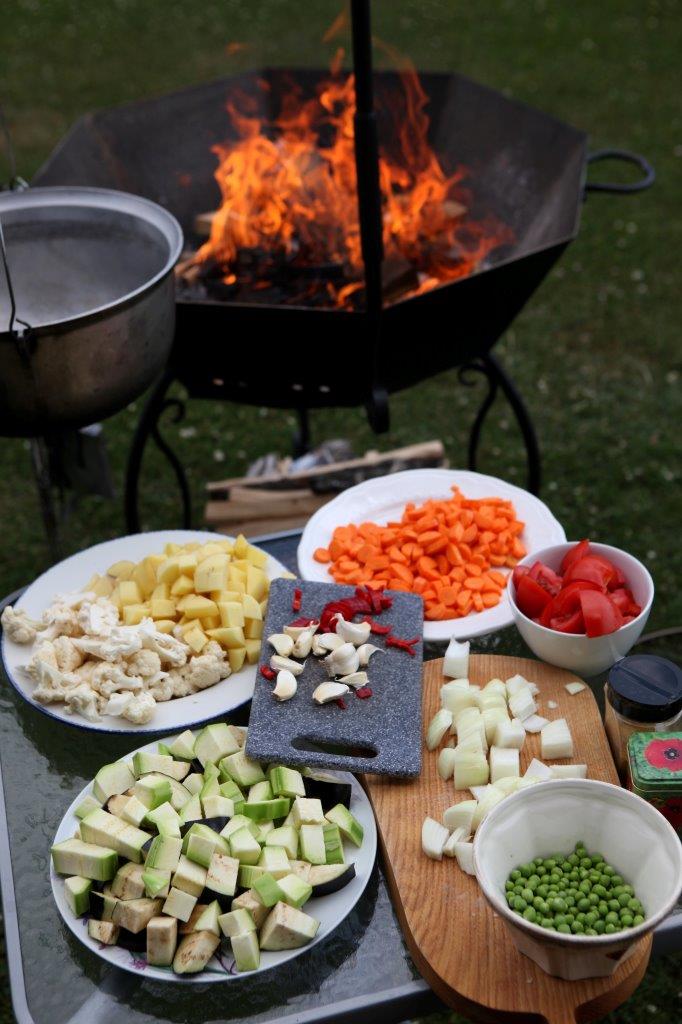
When it is harvest season and a lot of fresh delicious veggies are available, it is very easy to make a rich and filling dinner without meat. The cheese is what helps create the full flavor and the pickle is just a great addition to make it the perfect vegetarian dish!
I borrowed this recipe from friends that are lifelong vegetarians and have figured out a way to feed their always hungry meat-eating friends that come over for dinner parties 😆
8 medium new potatoes
8 medium carrots
1 cauliflower or cabbage head
1 medium eggplant
1 medium squash
4 medium tomatoes
200 g fresh yellow wax beans
150-200 g fresh peas
2 medium onions
1 garlic clove
1 tbsp cumin
2 tbsp Indian spices garam masala (cumin, nutmeg, cinnamon, cardamom, cloves, etc)
200 g cottage cheese
Seasonal greens (thyme, parsley, basil, dill)
1 chili pepper
100 g butter for cooking
4 tbsp olive oil
1 cup boiling water
Salt and pepper
1. Wash all the veggies, peel the potatoes and carrots and cut into medium pieces. Cut the eggplant (and immediately place in water so it doesn’t brown), squash, tomatoes and cauliflower similarly.
2. Cut the ends off the wax beans and cut them in half (or three pieces if the beans are very large). Peel the peas, peel and cut the onion and leave the garlic cloves separated but unpeeled.
3. Wash and pat dry the greens and then chop finely. Deseed the chili and chop finely, leave the seeds if you want it spicier.
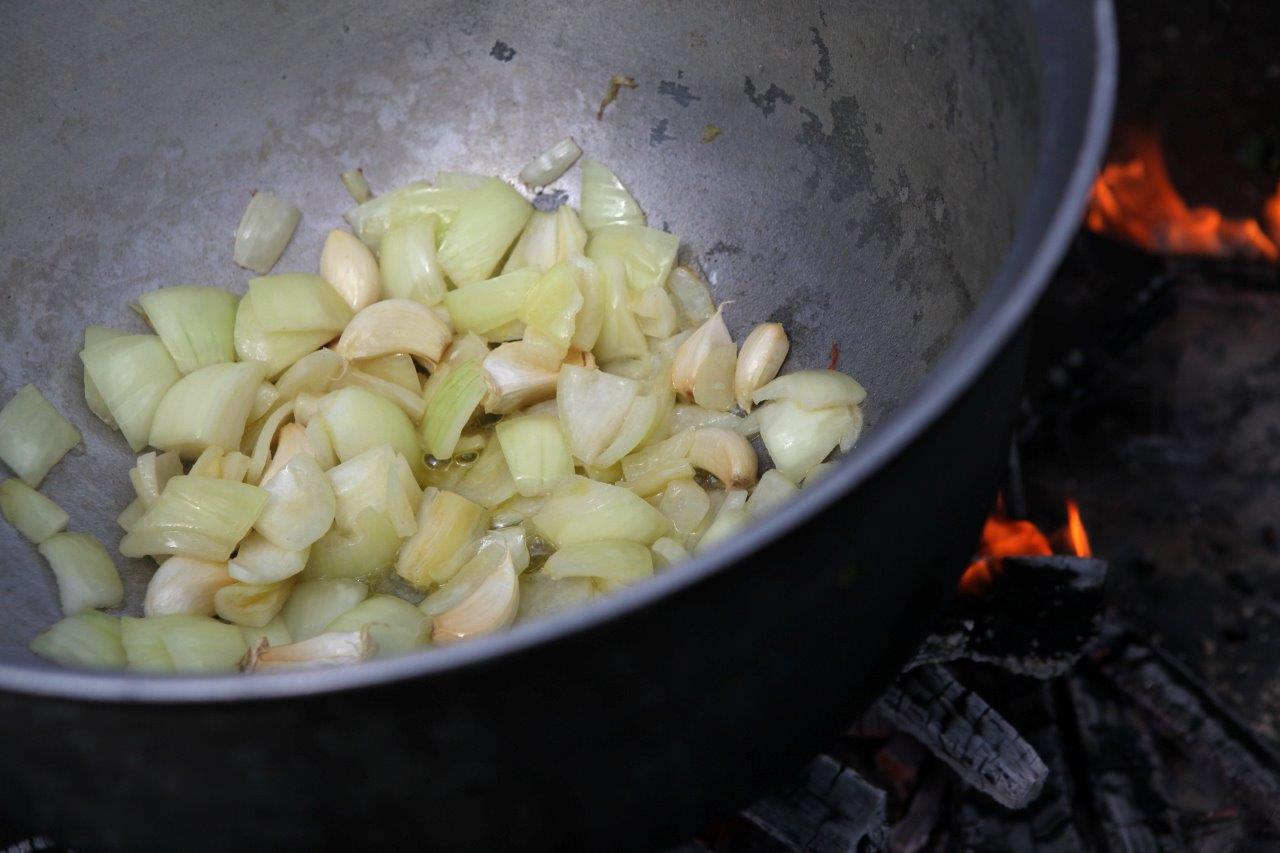
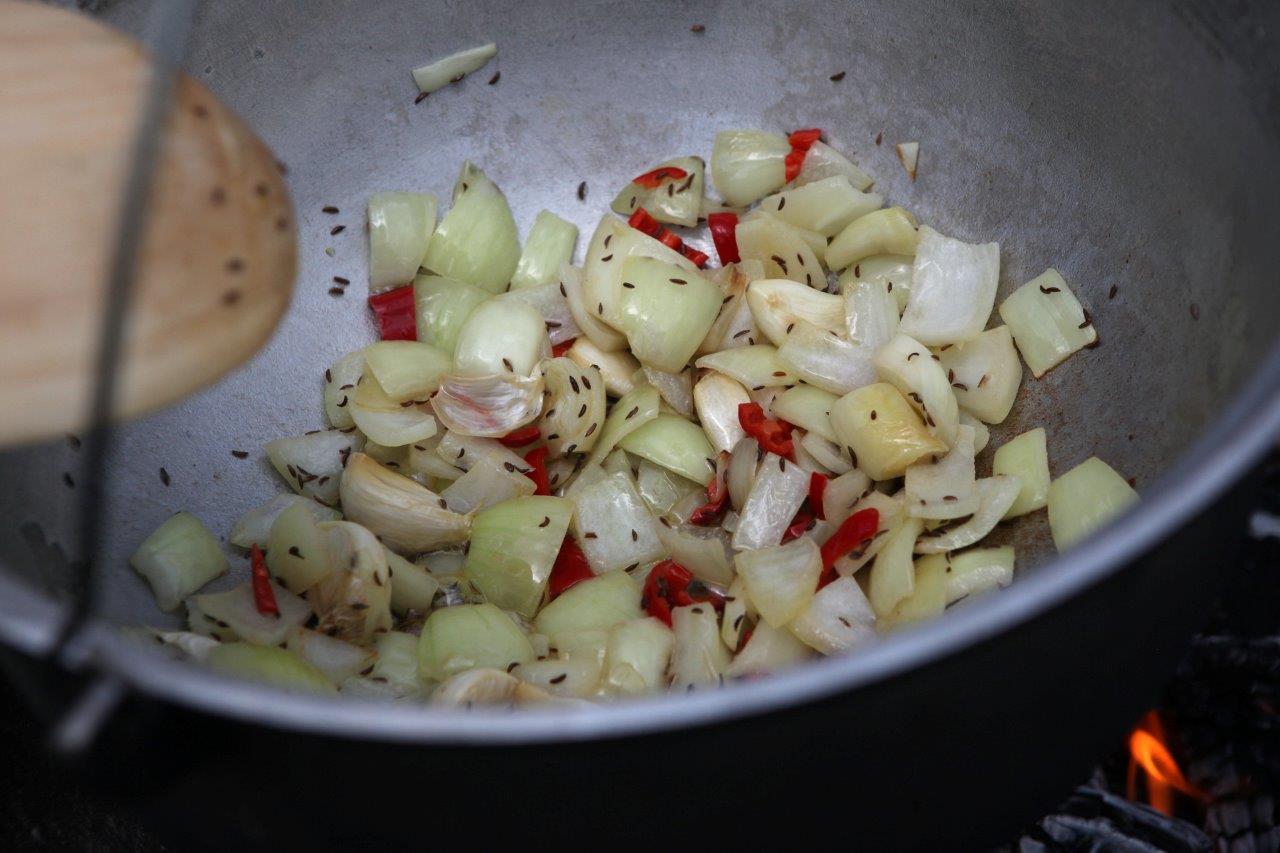
4. On medium heat place a cast iron pot and melt half of the butter, watch for it not to burn. Cook the onions, later the garlic cloves with the peel still on, chili pepper and the spices (cumin and masala).
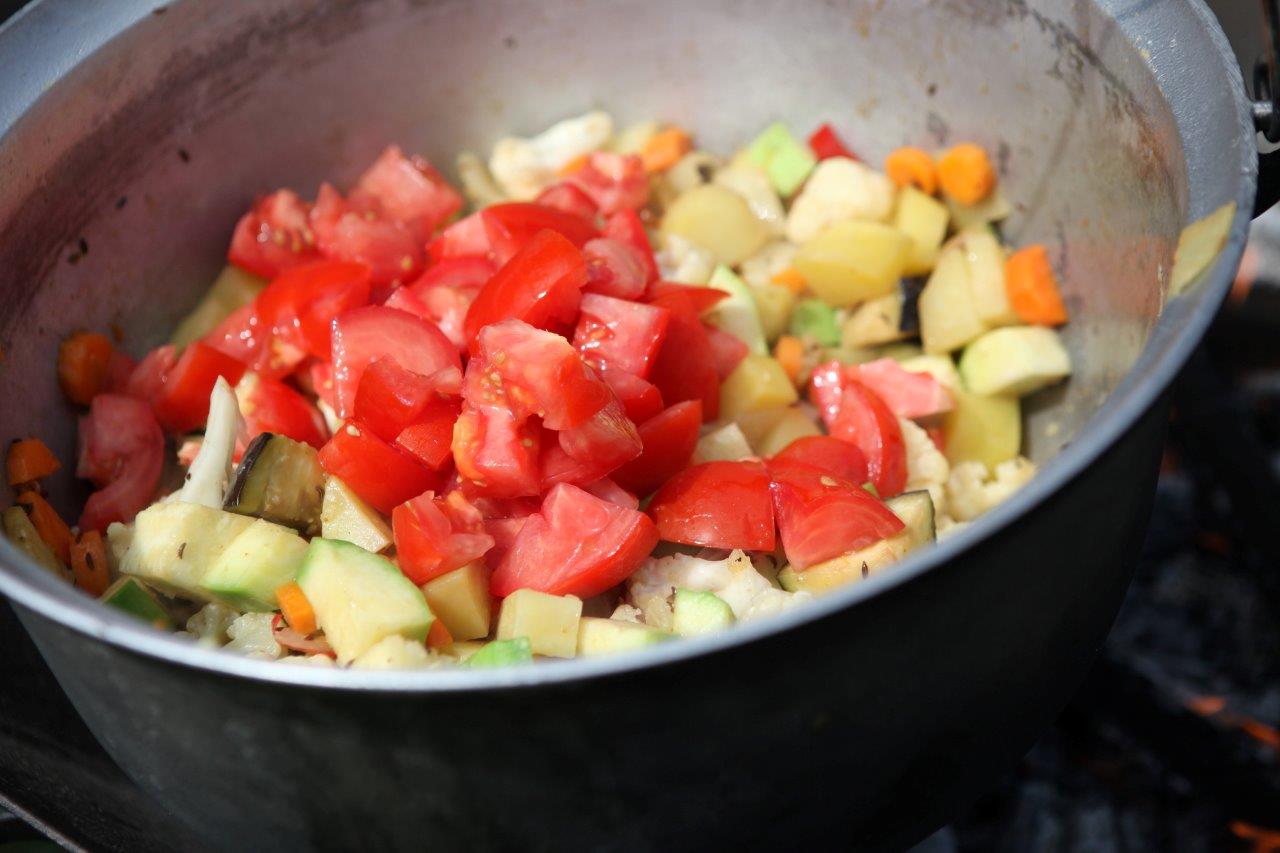
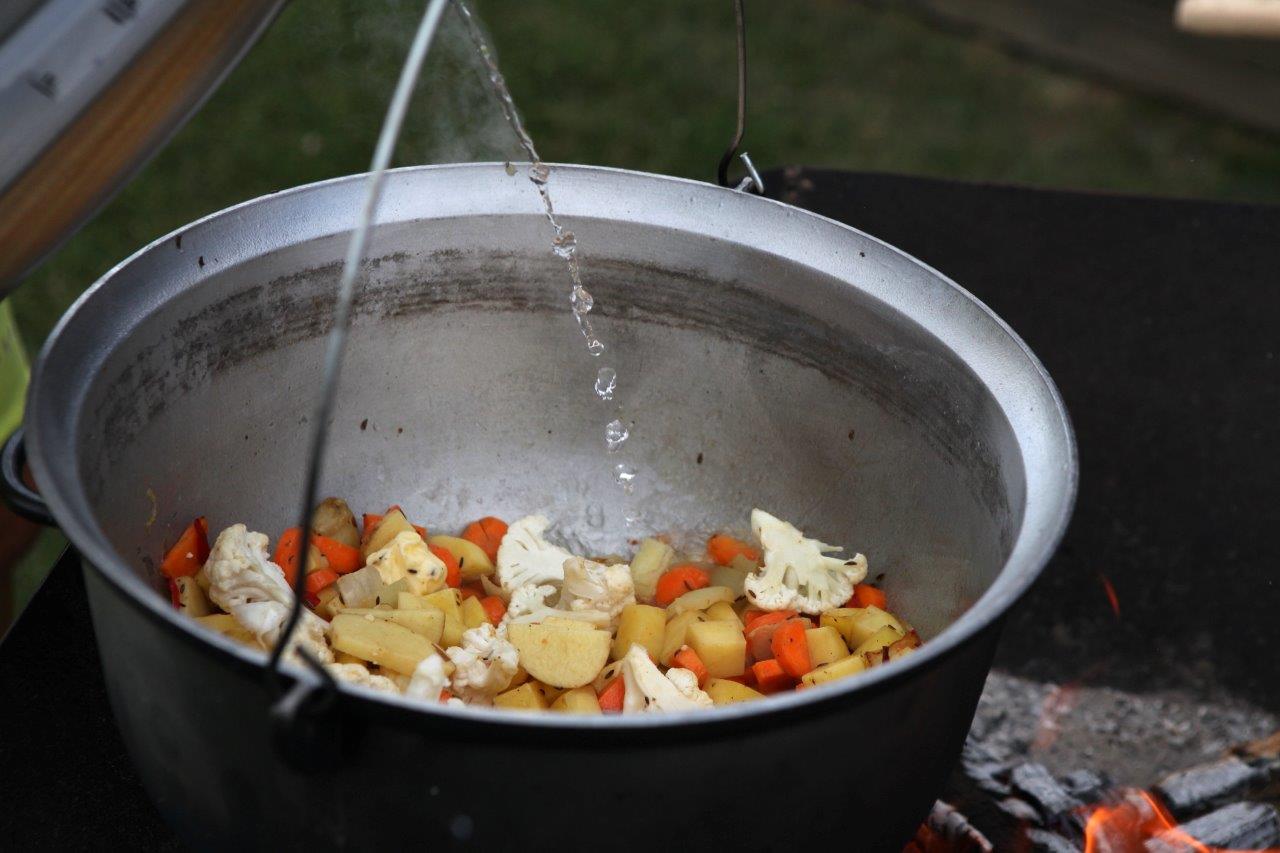
5. Once the onions are transparent, remove the garlic cloves, add olive oil and start gradually adding the veggies. Carrots first, then potatoes, stir and after 3-5 min add cauliflower and wax beans. Watch for the stew not to get too dry and add boiling water if and when necessary. Add the rest of the vegetables and sautée until everything is soft.
6. While stewing the veggies, add the greens gradually. When almost done, add the cooked garlic cloves and cheese (cut in pieces). Add salt and pepper to taste.
7. Once the stew is ready, stir in the rest of the butter and sprinkle greens on top.
8. Serve with pickles, if desired.
Recipe: Ārija Avota
Photo: Ieva Andersone

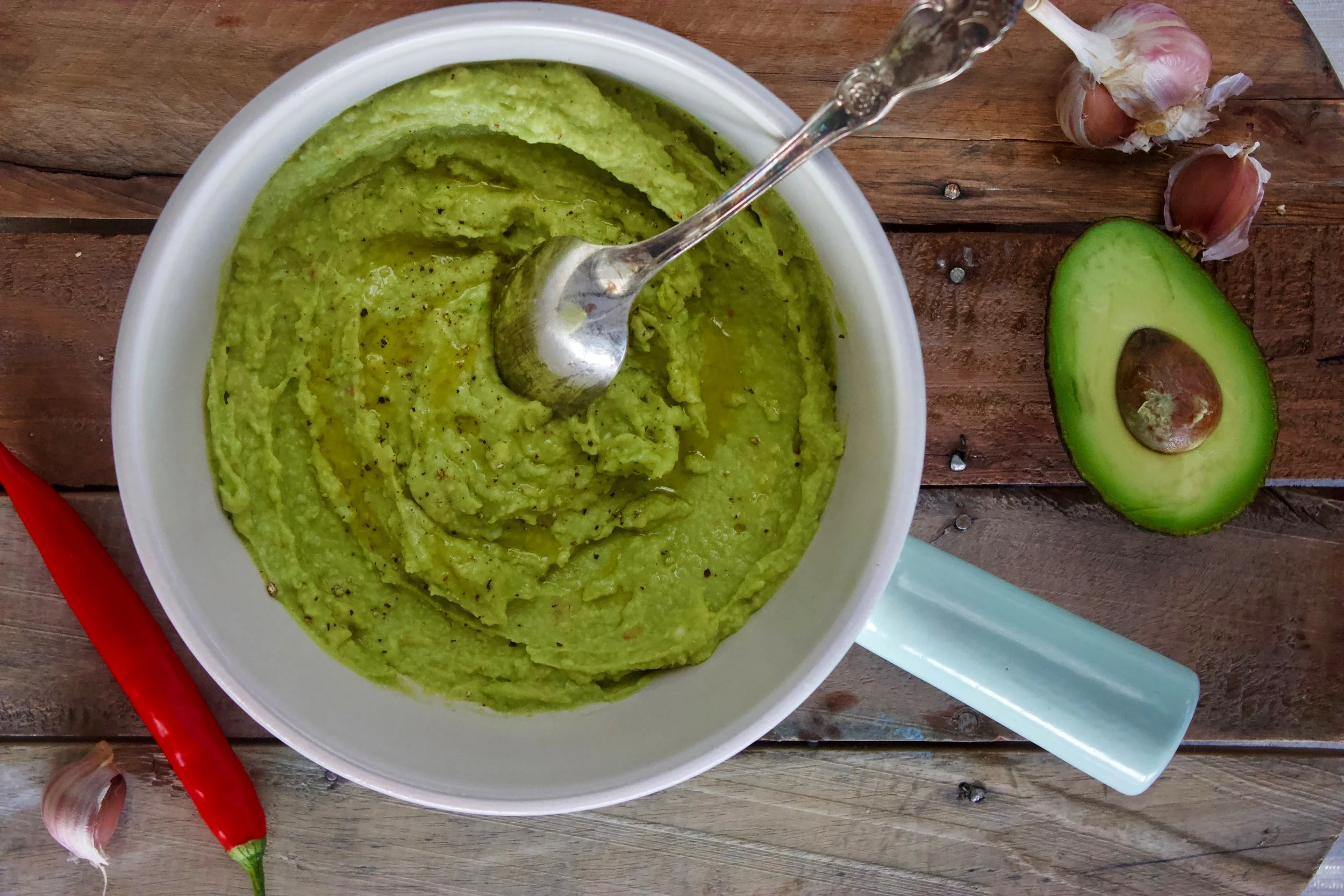
Avocado hummus
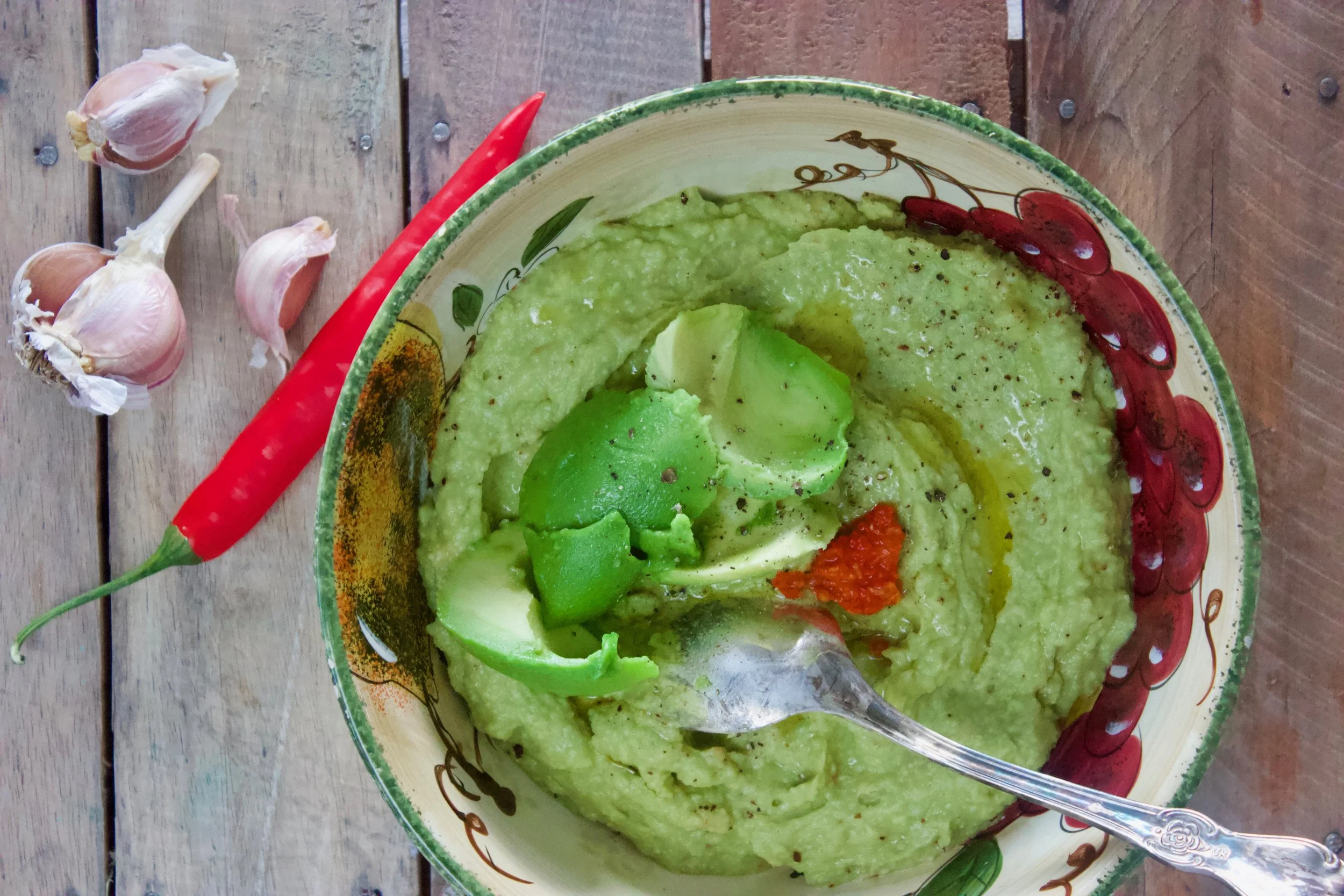
What can make our breakfast fresh and more healthy? Avocado humus, of course!
If you enjoy hummus in general, I suggest to get a whole jar of tahini paste- it gives that tangy taste to the hummus and can stay in the fridge for quite a while.
Anytime you come across some ripe avocados, make some hummus!
400 g canned chickpeas
4 ripe medium sized avocados
1 garlic clove
Handful of coriander or parsley
2-3 tbsp extra virgin olive oil, plus a little extra for serving
3 tbsp lime juice
1-2 tbsp tahini (sesame paste)
¼ tsp cumin
Chili to taste
Salt and pepper to taste
1. Using a food processor pulse together the chicpeas, olive oil, garlic, chopped coriander, chilli, tahini until it forms a smooth paste.
2. Add cumin, salt and pepper and the avocados- blend together until incorporated.
3. Serve with olive oil and fresh pepper on top.
Recipe: Ārija Avota
Photo: Ārija Avota

Split pea porridge with Greek sauce salad
I didn’t use to make split pea porridge too often, since it usually was served with meat or other foods that made the whole dish seem a little heavy. This all changed once I traveled to Greece and discovered you can have the porridge on its own, just drizzled with a little olive oil and onions- that is just the kind of food you want in hot weather!
This recipe is currently very popular in my mother in laws household- hot weather outside, lots of garden work to be done, so this is the perfect dish- both rich and light at the same time.
And turns out, a salad of any kind pairs well with this porridge- I like a classic Greek salad with olives, tomatoes and fresh cucumber.
500 g split peas
1 medium onion for cooking
2 tbsp olive oil for cooking
Salt and pepper
For serving
Extra virgin olive oil
1 medium onion, chopped
For the salad
1 small head of lettuce
1 sweet onion
4 medium cucumbers
100 g feta cheese
2 handfuls of cherry tomatoes, cut in halves
2 handfuls Kalamata olives
1 sun dried tomatoes, cut in strips
200 g Greek yogurt
Juice of 1 lemon
Salt and pepper to taste
1. Rinse the split peas several times in fresh water. Chop the onion finely.
2. In a pot heat the olive oil and cook the chopped onion until transparent, add the split peas and add cold water so that the peas are covered 2 cm above. Rapidly bring to boil and then turn the heat down and keep cooking for about 40 min until the peas become soft while stirring every once in a while.
3. Once almost ready, add the salt. The porridge will be runny so set the pot aside with the lid on and covered in a blanket for at least 20 min.
4. In the mean time prepare the salad.
5. Tear the lettuce and arrange on the bottom of the plate or bowl the salad will be served in.
6. Grate the onion and cucumber, drain the juice and add to the lettuce.
7. Mix the Greek yogurt with lemon juice, salt and pour over the salad. Add olives, cherry tomatoes, sun dried tomatoes and sprinkle the feta cheese on top. Add fresh pepper to taste.
8. Chop the fresh onion and set aside.
9. Serve the porridge in bowls and drizzle over with olive oil and chopped onions, add pepper to taste.
10. Serve with the salad.
Recipe: Ārija Avota
Photo: Ieva Andersone
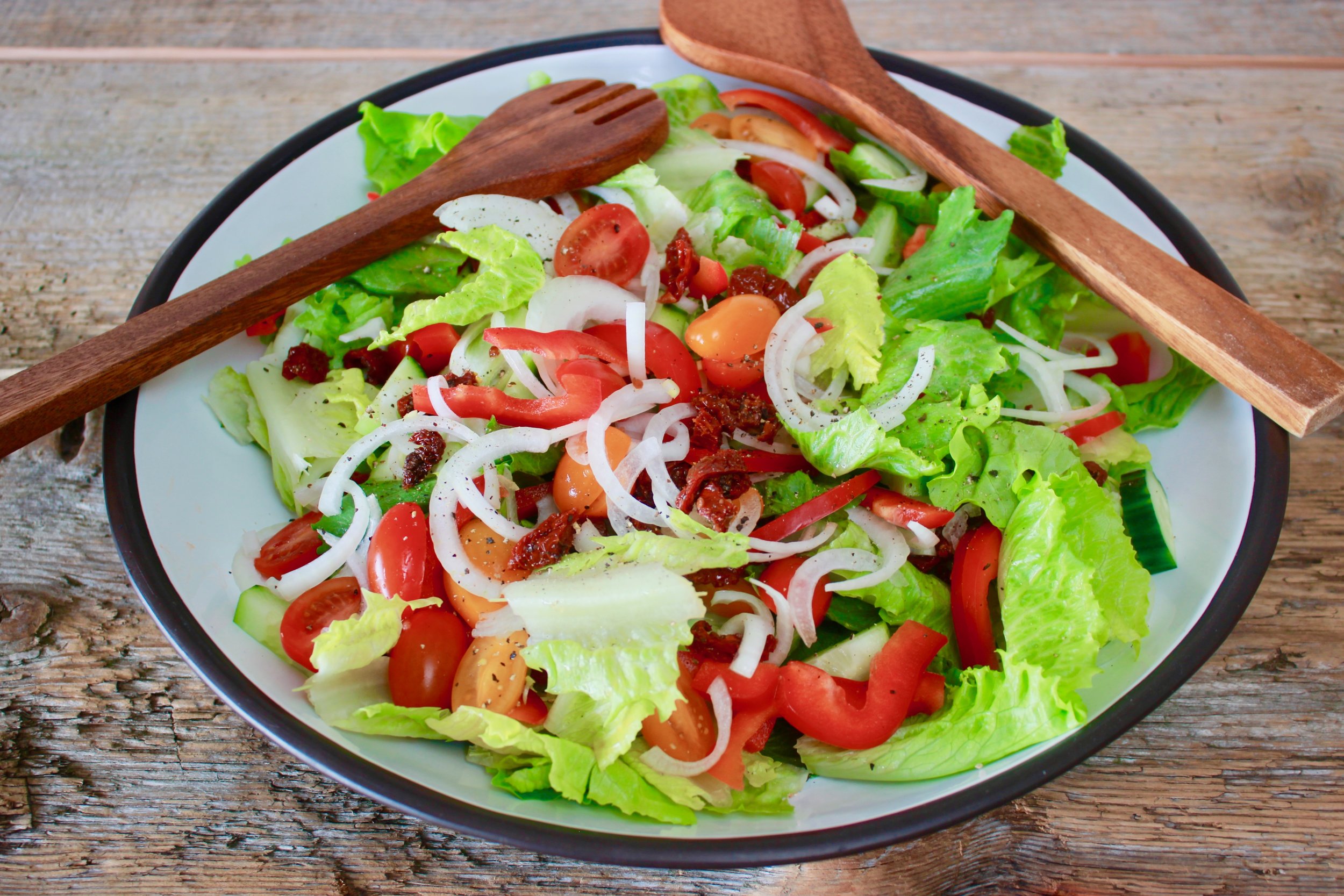
Green salad with basic sauce
This salad will save the world and all of us along with it :) If we are looking for a magic key to healthy lifestyle and regulating weight- this salad is that key! This basic salad recipe should be taught to every family member, so we can all live healthier and learn more healthy habits. This is the only time when the bigger the portion- the better!
The main part of this salad is the sauce, however for the salad itself- any in season greens and veggies will work.
Different seasonal salads and greens (rucola, spinach, dill, basil, chives, etc)
4 fresh cucumbers, peeled, sliced
2 tomatoes, diced or a few handfuls of cherry tomatoes sliced in half
1 sweet onion cut into rings
Options to add: bell pepper, avocado, mango, apple, pear, leek, carrots (grated), strawberries, sun dried tomatoes, capers, feta cheese, blue cheese, cooked chicken or shrimp etc.
For the basic sauce
¼ tsp salt
¼ tbsp lemon juice or vinegar (balsamico, apple or red wine vinegar)
1 tsp raw honey, jam, syrup or sugar
4+ tbsp extra virgin olive oil
For extra flavor: chopped anchovies, blue cheese, pressed garlic, Dijon mustard, etc.
1. On a wide plate or large bowl, place the teared salad and chopped greens.
2. Add the tomatoes, cucumber, onions and all other chosen options.
3. In a small bowl make the sauce: add salt, squeeze in the lemon juice and stir in the honey until it dissolves. Then drizzle in the olive oil slowly while stirring constantly with a fork. This is when to add the additional flavor option.
4. Pour the sauce over the salad only before serving.
Recipe:: Ārija Avota
Photo: Oto Avots

Omelette
I am learning to cook the perfect omelette my whole life- turns out it isn’t that easy! An omelette needs to be soft, melting in the mouth, fluffy and with the beautiful taste of butter. It should not be golden brown- that indicates it is overcooked.
Some advice: 1) the eggs should be room temp before cooking, then the omelette will cook more evenly, 2) use the correct size pan- 25 cm pan for a 3 egg omelette, 20 cm for a 2 egg omelette, 4) if you are cooking the omelette using the folding method, fold the omelette while the surface is still moist. Once folded it will still keep cooking and be nice and juicy.
3 eggs, room temp
2-3 tbsp full fat milk, heavy cream, sour cream or water
20-30 g grated cheese (cheddar, gruyere or parmesan)
1 tbsp butter for cooking
Salt and pepper to taste
Options for serving:
Cooked onions
Bacon strips
Cooked tomatoes with mushrooms
Serves two people
1. Heat a 25 cm frying pan on medium heat.
2. Lightly beat the eggs, add the salt and milk and mix together.
3. Grease the frying pan with butter and pour the egg mixture on- then turn down the heat to medium low.
4. Wait a minute for the eggs to raise on the edges, then using a spatula, pull the edges to the center so the liquid part can flow underneath.
5. Now sprinkle the cheese (and other condiments- greens, spices, cottage cheese, tomatoes etc) and put the lid on the pan, let it cook. Another version- put the pan in the preheated oven (175 degrees celsius) for 2-3 min with no lid on. This can be done even with pans that have plastic or wooden handles.
6. After 2-3 min cooking under the lid, use a spatula to fold the omelette in half. Take the pan off the heat and add salt and pepper to taste.
7. Serve with one of the chosen options and some toasted bread.
Recipe: Ārija Avota
Photo: Ārija Avota

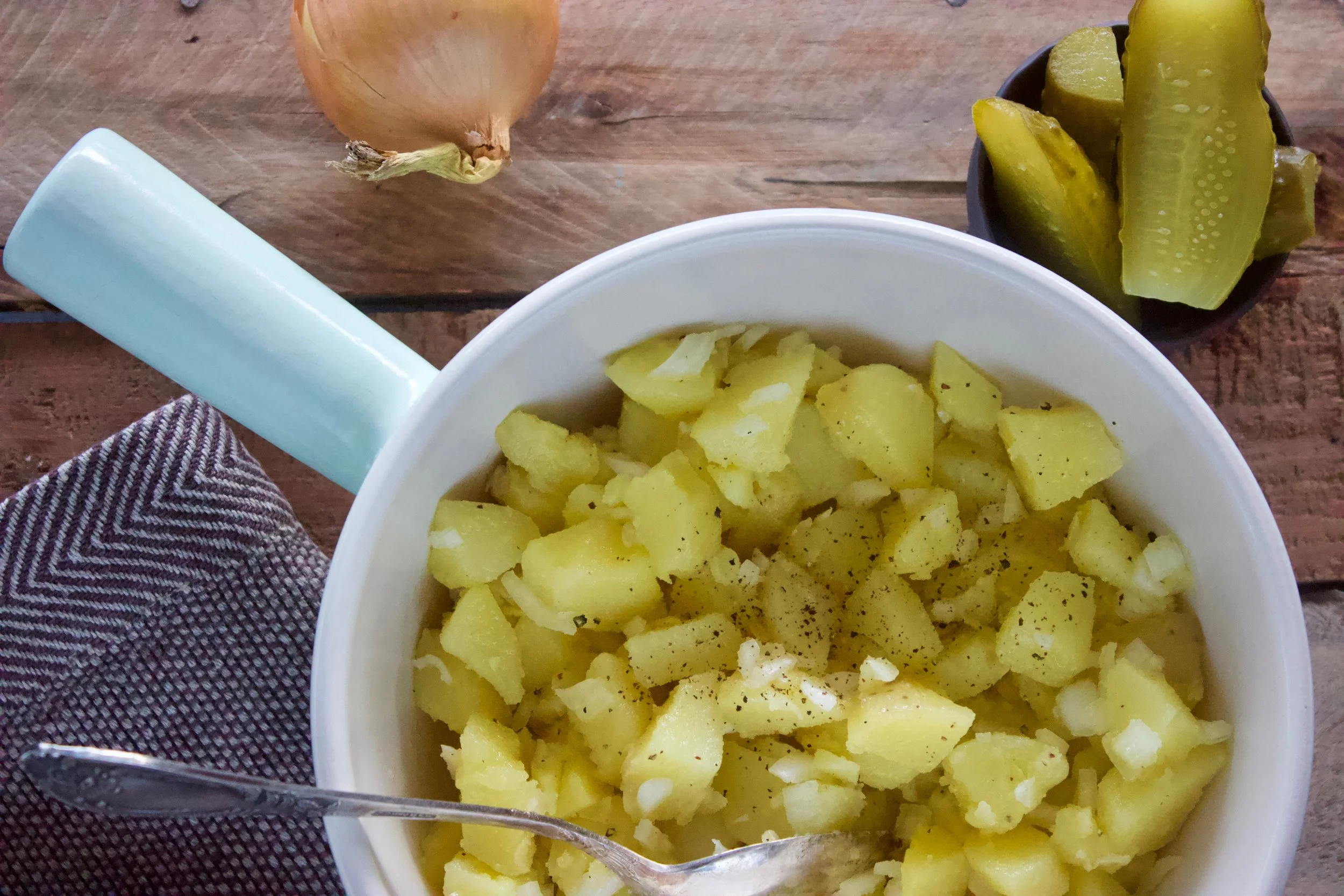
Potato salad
This salad is something straight from my childhood in Latvia, I love them for any occasion. With a cold and sparkling pickle straight from the jar! My grandmother and mom sometimes used linseed oil that gives the salad an interesting but really good taste. I mostly use extra virgin olive oil, sometimes pumpkin oil and also update the salad with cold smoked salmon for more spiciness.
I feel like this is a very healthy and real type of dish. You can just feel the strength it gives you when eating it!
8 medium potatoes, approximately 800 g
1 large onion, better sweet
50 ml pumpkin seed oil or extra virgin olive oil
Salt and pepper to taste
1. Wash the potatoes with a brush and boil them in a pot until soft. Drain and set aside to cool.
2. Peel and chop the onion.
3. When the potatoes are cool, peel and cut them into 1.5-2 cm cubes. If you want to have the salad warm, then use gloves to peel the potatoes sooner. Place in a large bowl and add the chopped onion, salt and pepper to taste and mix everything with olive oil.
4. Serve with pickles. Can also sprinkle with cold smoked salmon.
Recipe: Ārija Avota
Photo: Oto Avots
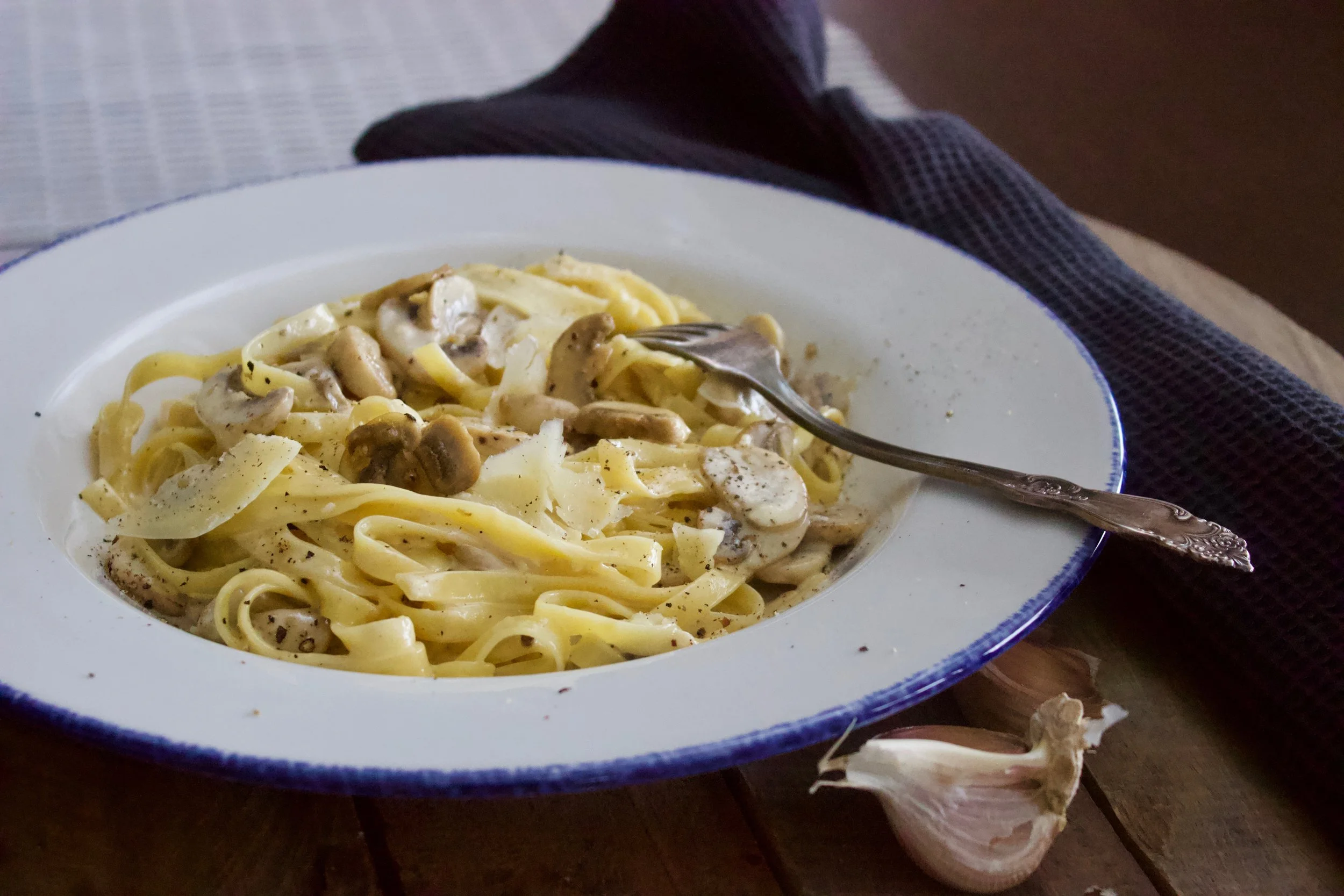
Fettuccine with mushrooms
It’s best to cook fettuccine in one pan for 2-3 people at a time. If you cook for larger groups of people, the mushrooms can turn out not as golden or the sauce could be a little off and not as aromatic. If everything is done right- this is a very wonderful and amazing dish!
Even better if this is cooked by a man and he can use the big knife to slice the cheese on top- very very romantic :)
150 g mushrooms, champignons or portobello
2 garlic cloves
300 g fettuccine noodles
150 ml heavy cream
50 g grated cheese, Cheddar or Parmesan
2 tbsp olive oil and 1 tbsp butter for cooking
Salt and pepper to taste

1. In a large pot, boil water and add salt generously. Cook the fettuccine noodles as instructed on packaging.
2. Cut the mushrooms in slices and cook them in olive oil and butter until golden brown (in a large pan with high edges). Add the garlic, pushed through a garlic press, salt and pepper and sautée for a little bit. Then stir in the heavy cream and lower the heat to a minimum, let everything simmer for about 2 min. Taste and add more salt if necessary. Set aside.
3. Drain the noodles and stir in together with the sauce in the pan.
4. Serve hot on a plate topped with grated or shaved cheese.
Recipe: Ārija Avota
Foto: Oto Avots